16GB is back on top in Steam's survey. Keep your spec modest
Follow-up: Steam's October survey puts 16GB of RAM back in first place at 41.42%, a reminder to budget memory for modest PCs and read one month carefully.

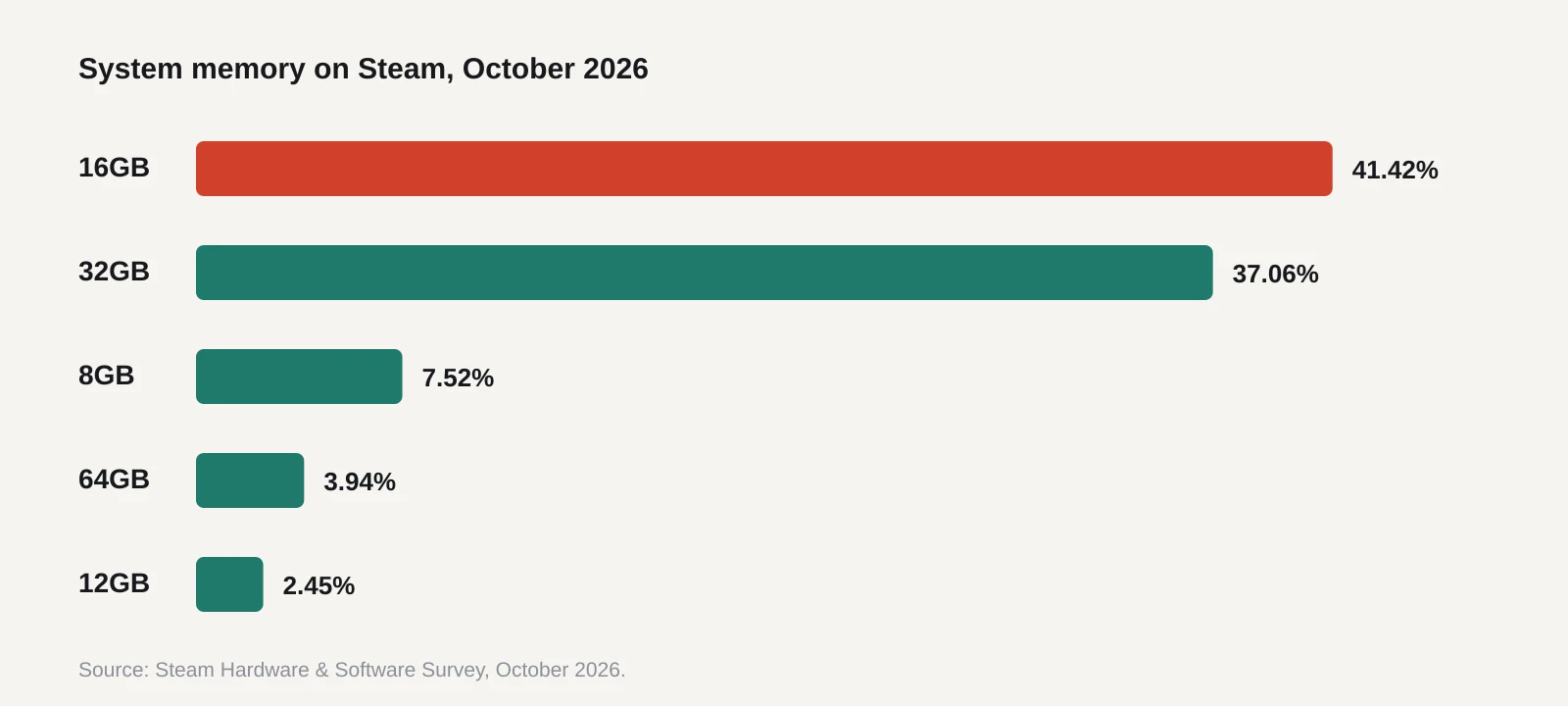
Valve’s October 2026 Steam Hardware & Software Survey puts 16GB of system memory back in first place. It now sits at 41.42% of surveyed machines, up 3.60 points. 32GB, which overtook it in September, fell 5.16 points to 37.06%. The share of PCs with 8GB rose 1.05 points to 7.52%, and 64GB edged up to 3.94%.
A fortnight ago we argued that players are holding on to the machines they already own, and that you should build for those machines. You can read that piece here: Nobody can afford new hardware. Build for what players own. The September survey looked like a counterpoint, with 32GB taking the lead. October puts things back roughly where they were, and the rest of the data leans the same way.
What the October numbers say
Here are the figures that matter most for a minimum spec, all from Valve’s survey page for October 2026.
- System memory: 16GB at 41.42%, 32GB at 37.06%, 8GB at 7.52%, 12GB at 2.45%, 64GB at 3.94%. About 11% of machines have 12GB or less.
- Graphics memory (VRAM): 8GB is the most common at 26.92%, just ahead of 16GB at 26.35%. 12GB is at 12.91%. Cards with 6GB or less add up to roughly a fifth of the sample.
- CPU cores: 8 cores lead at 28.68%, with 6 cores close behind at 27.29%. 4 cores rose 1.57 points to 12.36%. 2 cores sit at 2.84%.
- Operating system: Windows is at 93.70%, down 1.33 points. Linux climbed 0.90 points to 3.95%, and macOS rose to 2.35%. Windows 10 still runs on 21.11% of machines.
The top graphics card is still the RTX 3060 at 3.62%. The RTX 5070, which led in September according to coverage at the time, dropped 2.30 points to 3.56%.
Why one month can mislead you
The survey is opt-in. Steam asks a random set of users each month, and the mix of who says yes changes. Inven Global, reporting on the October results on 3 November, points out that graphics cards, screen resolutions and languages all moved sharply between September and October. That suggests the sample itself shifted.
The language table backs this up. Simplified Chinese fell 9.41 points to 21.98%, and English rose 4.84 points to 39.04%. When the share of one region moves that much in a month, every hardware figure moves with it. A drop in 32GB machines could mean fewer people with 32GB answered, rather than fewer people own 32GB.
Inven Global also cites Tom’s Hardware, which links the memory shift to supply pressure from AI demand and to PC makers trimming memory and storage in new systems. That fits the price story from our earlier piece, where Omdia found PC memory prices nearly doubled in 2025. It’s a plausible reason. The survey alone can’t prove it, and Inven Global says as much.
The safer reading is a trend over several months. In September, by our earlier count, 16GB sat at 37.8% and 8GB at 6.5%. Both are higher in October. 4-core CPUs went from 10.8% to 12.36%. None of that points to a player base racing ahead.
What it means for a solo dev or small team
If September tempted you to raise your minimum to 32GB, October is a good reason to hold off. More than half of surveyed machines have 16GB or less. On those PCs, Windows, the Steam client, a browser and a voice chat app can easily take a third of the memory before your game loads.
For most indie games, that points to a working budget of around 8GB of system memory for the game process on a 16GB machine, with headroom to spare. If your game is small, aim much lower. A 2D game that needs 6GB of RAM will get refund requests on older laptops.
Graphics memory is the tighter limit for 3D projects. With 8GB the single most common VRAM size, and a fifth of machines on 6GB or less, your low preset should fit comfortably inside 6GB. Texture size is usually the biggest lever. Halving texture resolution cuts their memory use to about a quarter.
On the CPU side, 6 and 8 cores together cover more than half the sample, but 4 cores grew this month. If your game leans on many worker threads, test what happens when there are only four.
The Linux figure is worth a glance too. At 3.95%, it’s ahead of macOS. Much of that comes from SteamOS and gaming-focused distributions such as CachyOS and Bazzite. Running well under Proton (Valve’s compatibility layer for Windows games on Linux) is often a better use of time than a native Mac build.
What to do now
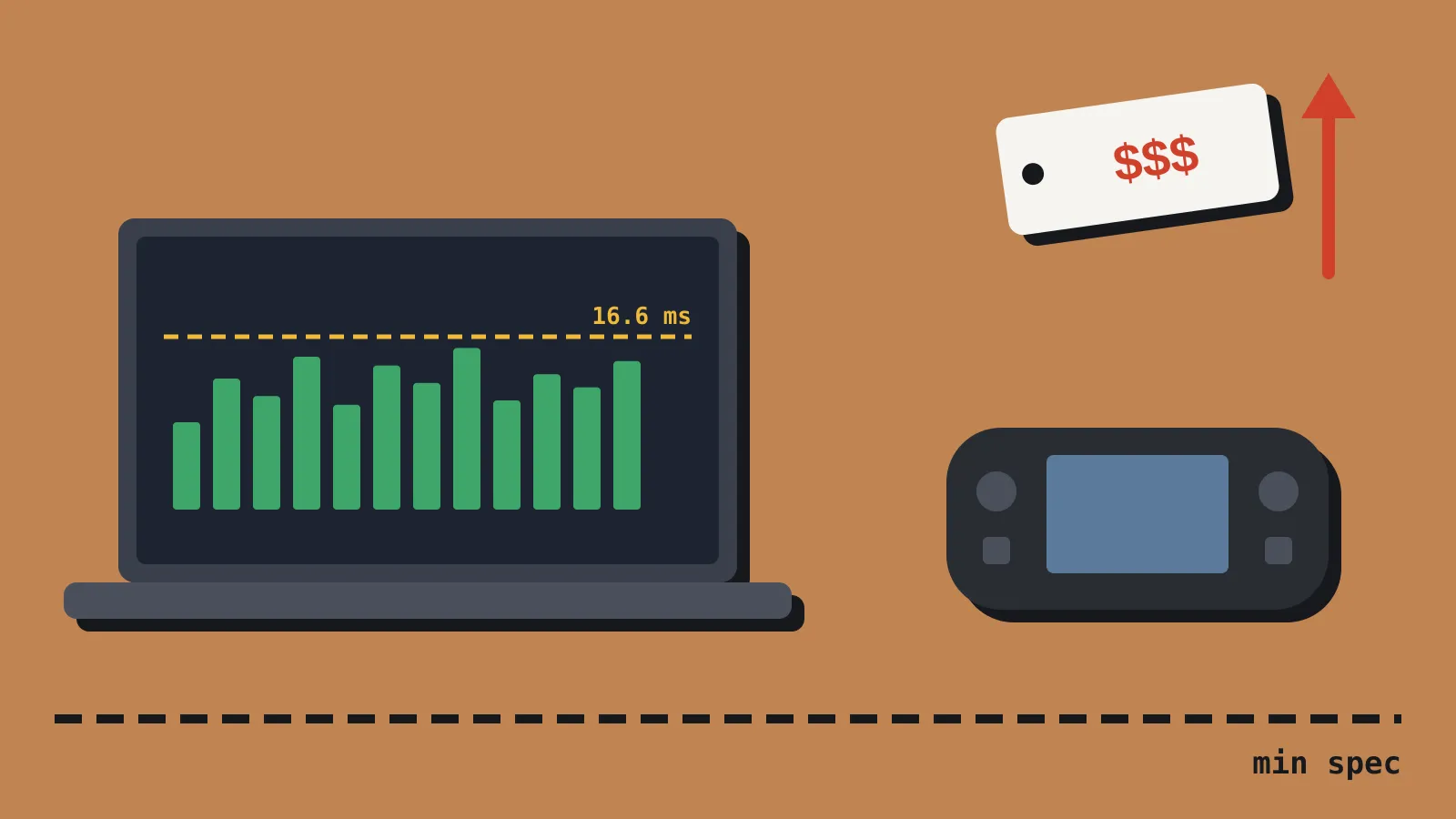
Keep the floor device we suggested last time. A laptop with an entry-level GPU and 16GB of memory still matches the most common machine on Steam. If you haven’t picked one, do it before your next milestone.
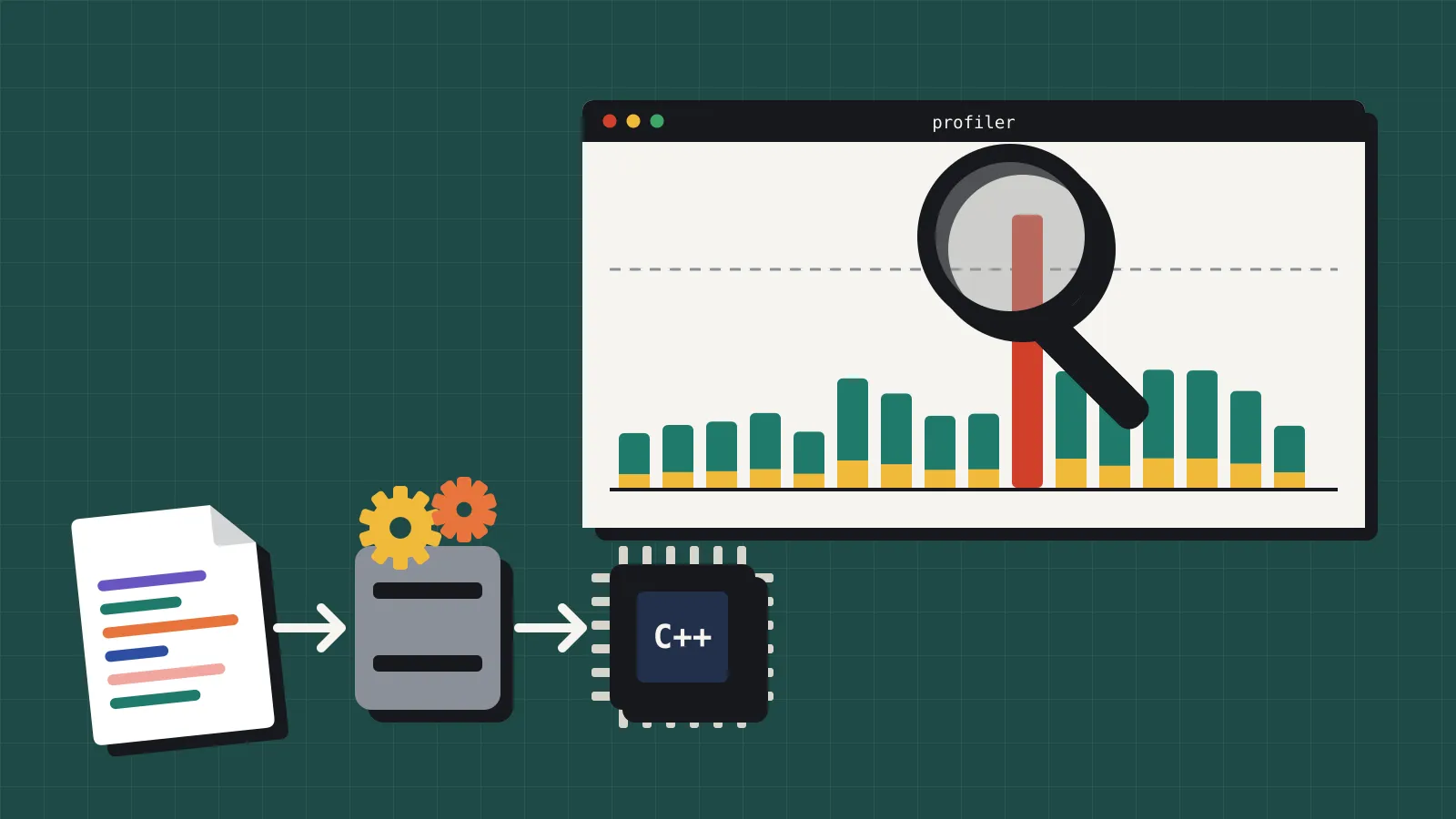
Set two memory budgets and check them weekly. One is for system RAM on a 16GB machine. The other is for VRAM on your low preset, ideally inside 6GB. Most engines show both in their built-in profilers. Write the numbers down so a regression stands out.
Read the survey as a rolling average. Valve’s page shows the last few months, so compare at least three before changing your store page specs. If a figure jumps and the language table jumps too, treat it as a sampling change.
Check your store page. List the floor device’s specs as your minimum, and make sure the RAM line says 16GB or less unless your game truly needs more. Players filtering by what they own will skip a game that asks for 32GB.
We’ll check back after the November results land in early December.