What Valve actually said about wishlists, clones and Next Fest
Valve's Steam business team told Korean indies that sales and play, not wishlists, drive visibility. Here's how to use the calendar, wishlist data and clone advice.
Three members of Valve’s Steam team spent 27 October 2026 answering questions from Korean indie developers at Steam Indie Connect, an event run by the Busan Indie Connect festival committee and the Korea Creative Content Agency (KOCCA) at a cafe near Gangnam Station in Seoul. Inven Global’s report is the most detailed English account. Tom Giardino and Marc Wilkinson from the Steam business team covered wishlists, Next Fest, the new calendar and clones, with a member of Valve’s localisation team joining for the Q&A. We checked each claim against Valve’s own Steamworks documentation, and in a few places the detail matters.
Wishlists measure your marketing, sales move the store
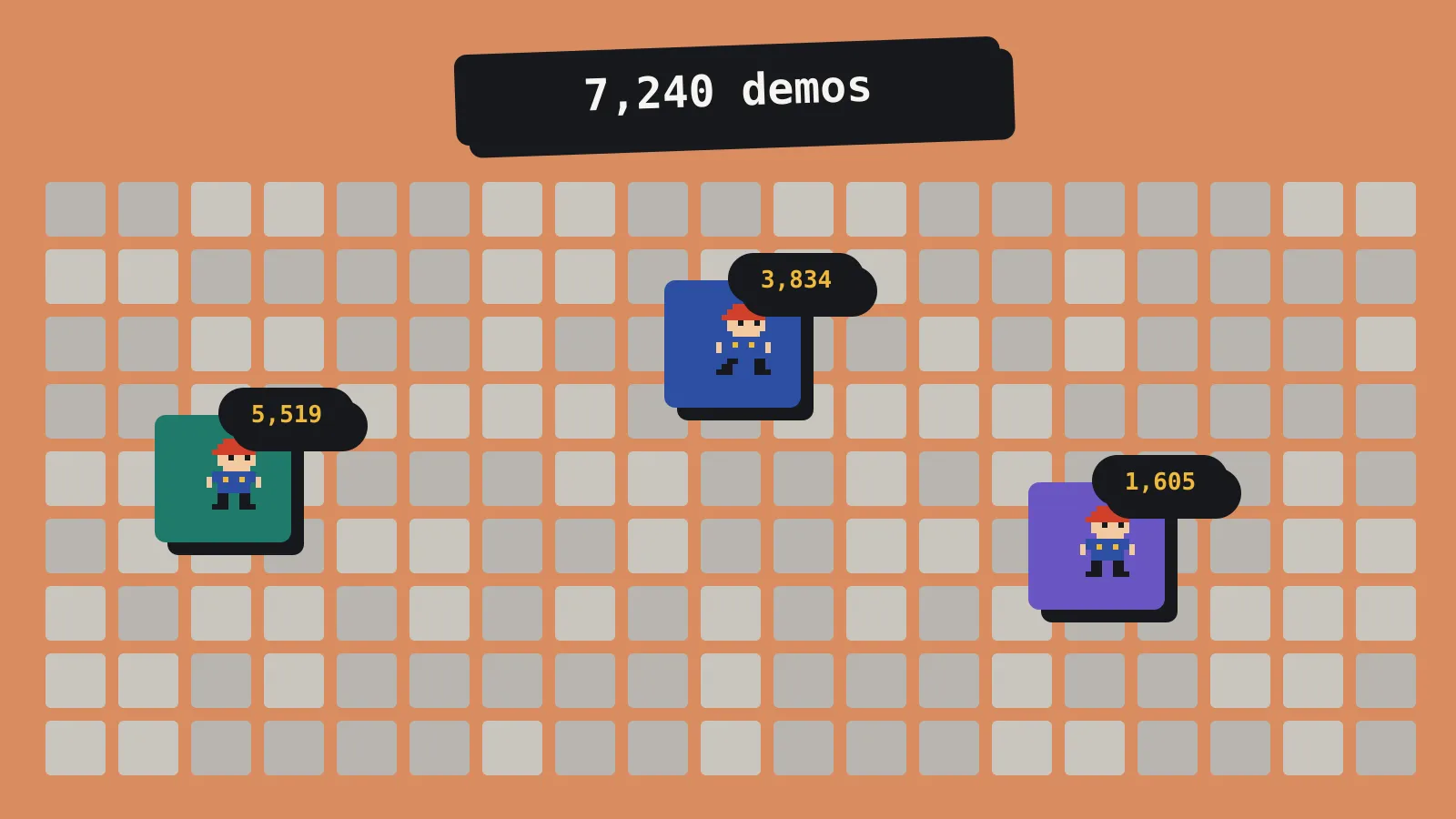
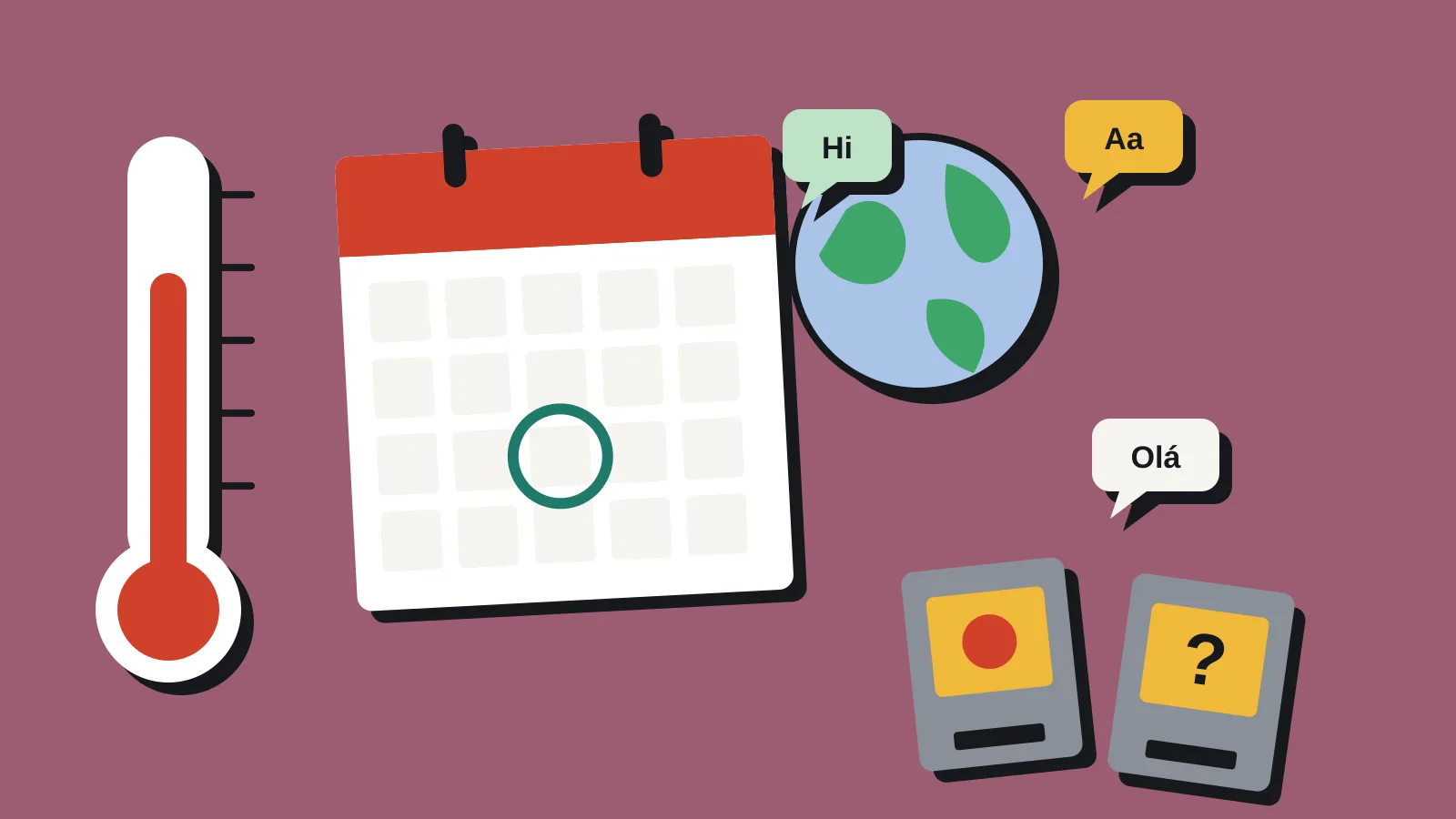
Wilkinson told the room that wishlists don’t affect visibility. What moves a game around Steam is how many people buy it and play it. He described a game with 3 million wishlists that dropped off the charts because players had a poor time, and others with almost none that did well. Giardino called wishlists a gauge, like a thermometer: watch them move after a trailer, an ad or a TikTok push to see what worked.
That sounds like it contradicts everything you’ve read, so here’s the nuance. Valve’s wishlist documentation still says wishlists can be an important factor in where your game appears, without saying how much weight they carry. The bigger mechanism is indirect. Everyone who has your game wishlisted at launch may get an email or mobile push, and the same happens for a discount of at least 20% that runs longer than 8 hours. Those messages produce purchases, and purchases and playtime are what the store rewards. So a large, real wishlist still helps at launch. A large wishlist full of people who never play the game does not, which is why Wilkinson warned against wishlist farming.
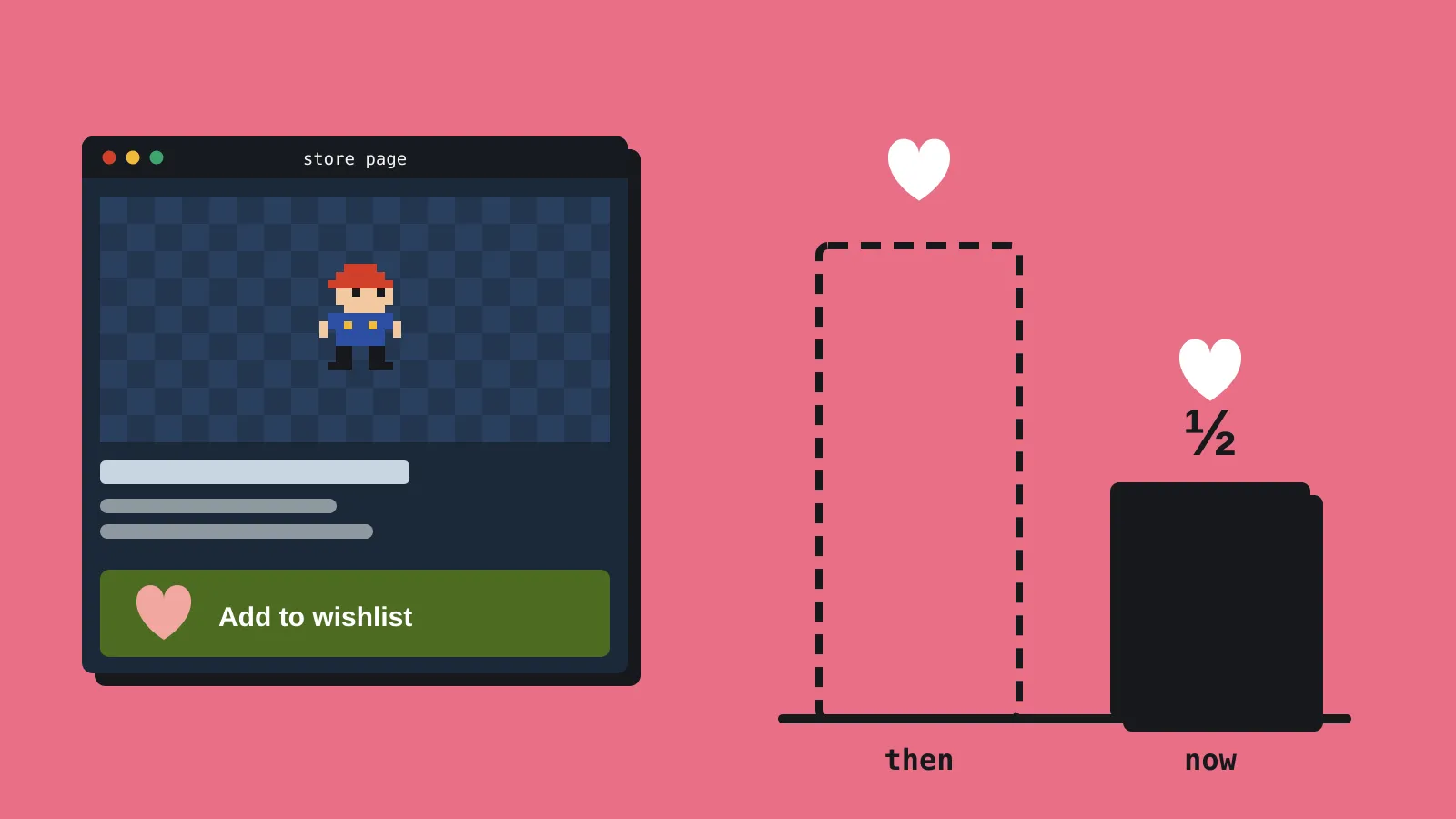
We covered the other half of this two weeks ago: first-month sales per wishlist have roughly halved for recent launches, a chart Inven says also appeared in the session. Use wishlists as a forecasting input and a marketing meter.
Set a firm date so the calendar can find you
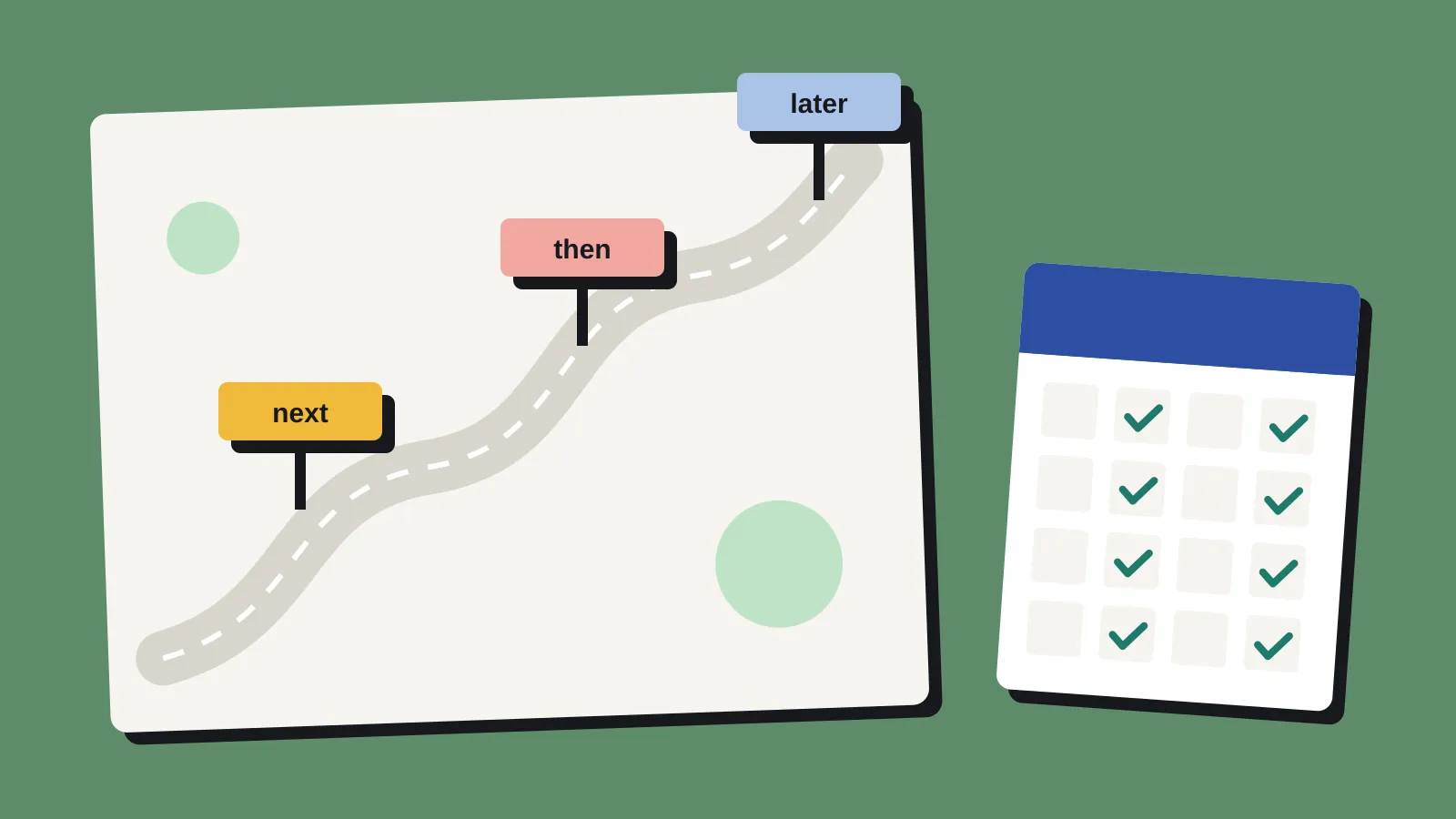
The Steam calendar left Steam Labs and became a standard store feature in Valve’s 23 October 2026 update. Giardino said it is close to the only space Steam gives to brand new releases, and that a game drops off it one to two weeks after launch.
The Steamworks calendar page has the rules you need:
- You need a public Coming Soon page with a specific release date. Early Access games can set a 1.0 date to qualify.
- The dedicated calendar looks eight weeks ahead, so Valve suggests locking your date at least 60 days out. The front page version shows a narrower window and wants at least three weeks.
- Picks come from players with similar play histories. If those players have wishlisted your game, you’re more likely to show up, so wishlists do feed this surface.
- Delay by more than 24 hours inside the last two weeks and your game is removed from the calendar until it releases.
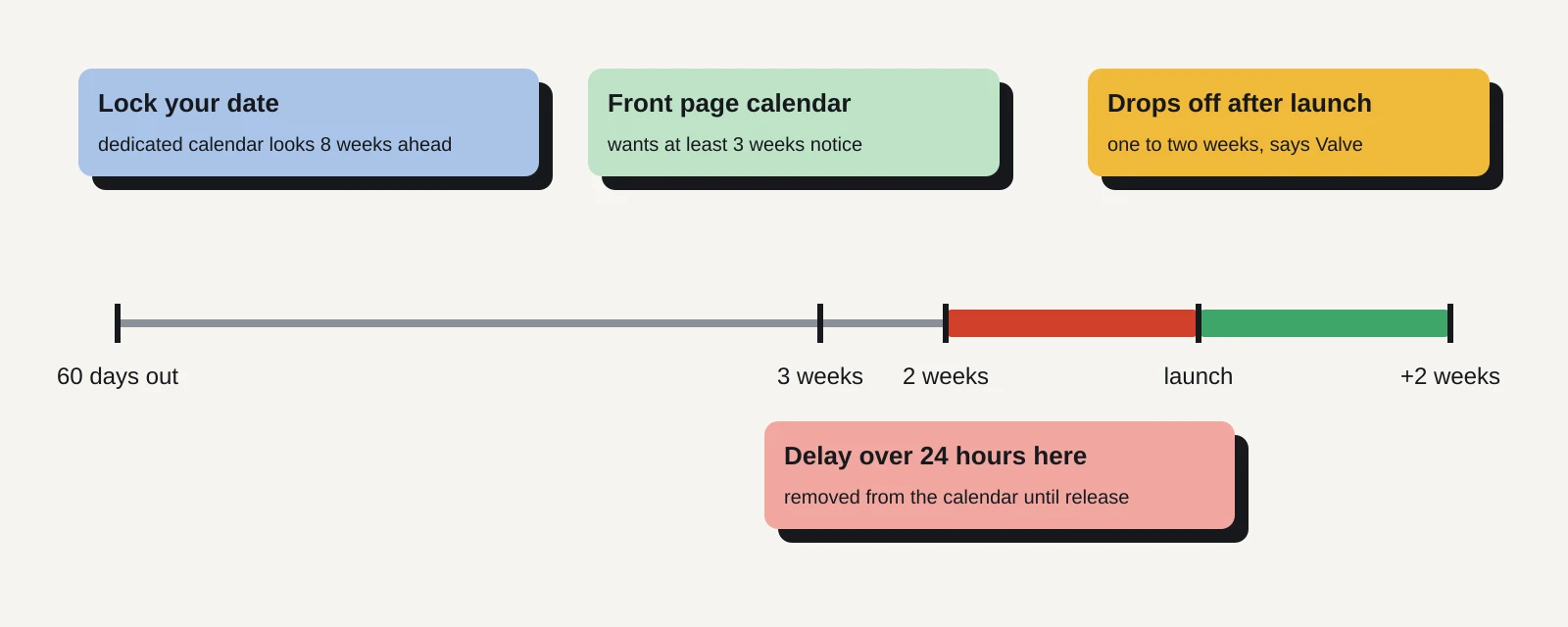
For a solo dev, that last rule is the one to plan around. Pick a date you can hit, set it two months early, and only move it if you’re moving it a long way.
Next Fest starts as a lottery
Wilkinson said Next Fest shows games almost at random for the first two days, then personalised recommendations take over. The Steamworks Next Fest page confirms the first few days are randomised everywhere except named lists and personalised rows. After that, logged-in players see carousels built from what similar players are trying during the festival.
Valve’s reasoning is fairness: random slots stop people gaming early placement. Wilkinson conceded that low-quality games get the same airtime, and said Valve is working on it. Giardino noted the festival has grown from 50 or 100 games three years ago to thousands.
In practice, your opening days are a fair draw, and your demo has to hold the players it gets. Days three onwards reward games people are already playing. Our October Next Fest analysis found followers built up before the festival predicted who rose, which fits that shape.
Use wishlist data to pick your next languages
Wilkinson pointed developers to the wishlist data API. In the Steamworks reference it is GetAppWishlistReporting. You pass an App ID, a date and a publisher key with financial permissions. It returns adds, deletes, purchases and gifts, split by country and by language. It takes one date per call, so you loop over the days you want. Data refreshes at least daily.
Valve’s localisation staffer described a Korean co-op game that made 86% of its sales in Korea, and said translating the store page first was the right call. Localisation is a chicken and egg problem, and wishlist data is how you break it. Inven also reports that a recent change lets you add up to 30 languages at once with AI translation.
A simple approach:
- Pull 90 days of wishlist data and total the adds by language, not just country. Players set their Steam language, so this is closer to who’ll read your text.
- Translate your store page for the top three to five languages after English. That’s cheap and reversible.
- Watch whether adds in those languages rise over the next month.
- Put the in-game translation budget into the languages that respond, and localise your update posts too, which Giardino said most teams leave in English.
Steam lists 31 languages with full support. You don’t need them all.
If someone clones your game
Giardino said Valve won’t decide which tools developers use, AI included. Clones predate AI, he said, but AI has sped them up. His answer echoed Valve’s view of piracy: make the real version the best one. Keep shipping features and personality so one copyable mechanic isn’t your whole game, and build a community that knows which version is yours.
Asked about emails threatening an AI clone unless the developer pays, he said it was the first Valve had heard of it. Extortion is a police matter, he said, but Valve wants those cases reported so it can help where it can.
If it happens to you:
- Don’t pay, and don’t negotiate. Keep every email with full headers.
- Report it to your local police and keep the reference number.
- Contact Valve through your Steamworks account with the evidence and your App ID.
- If a clone reaches Steam using your code, art or name, file a copyright or trademark complaint. Your dated commits, devlogs and store page history help here, as we covered in our Moonlighter playtest piece.
Mechanics alone are hard to protect, so the long game is Valve’s advice: keep updating and keep talking to your players.
Sources
- Steam Indie Connect report (Inven Global)
- Steam Indie Connect event details (Inven Global)
- Wishlists (Steamworks documentation)
- Steam Personal Calendar (Steamworks documentation)
- Steam calendar leaves Steam Labs, 23 October 2026 (Steam news)
- Steam Next Fest (Steamworks documentation)
- IPartnerFinancialsService (GetAppWishlistReporting) (Steamworks Web API reference)
- Languages supported on Steam (Steamworks documentation)
- Steamworks Wishlist Data API (GameDev.net)
- Valve on AI and Next Fest, TheGamer via OpenCritic (OpenCritic)