Claude Code now steers away from cloning a specific game
Follow-up: Anthropic's new Claude Code rule against rebuilding someone else's game makes lazy clones harder, but it won't protect your public demo.
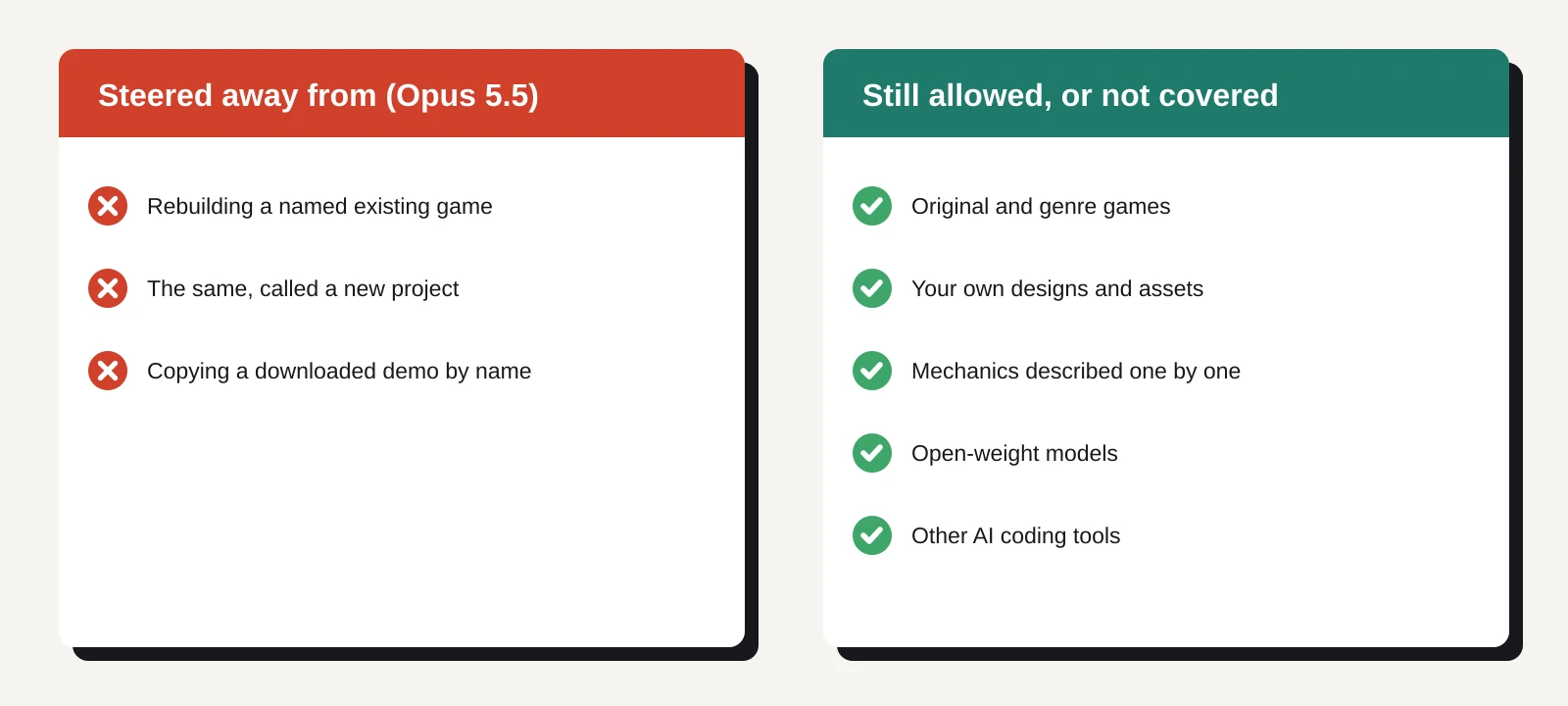
Claude Code, Anthropic’s AI coding agent, now carries a rule that steers it away from recreating a specific existing game, even one given a new name. An X user called Chasm spotted the rule around 27 October 2026 and said users can’t switch it off, according to Game Developer’s 30 October report. Anthropic confirmed to Game Developer that an update to Opus 5.5 pushes Claude Code away from rebuilding other people’s games. Original games, genre games and games built from your own designs and assets are still allowed.
What Anthropic changed
Game Developer reports that Chasm found the rule in Claude Code’s list of rules, filed under an internal name, tengu_heron_brook. The rule draws a line between two kinds of request. Building something original, something in a familiar genre, or something from your own designs is fine. Building a copy of a particular existing game is not, even if the request calls it a new or original project.
When Game Developer asked for comment, an Anthropic spokesperson pointed to a post on X by Addy Osmani, who works on Anthropic’s technical staff. Game Developer summarises his explanation like this:
- Two sentences were added to Claude Code’s prompt for Opus 5.5. The prompt is the standing set of instructions the model reads before it sees your request.
- The reason given was that using Claude to infringe intellectual property breaks Anthropic’s usage policy.
- Original, genre and self-designed games are meant to keep working, and Anthropic plans to keep adjusting the balance.
- If Claude turns down a project that is genuinely yours, Osmani asked people to report it to him.
In other words, the change sits in the instructions the model follows. Anthropic hasn’t published the two sentences themselves.
Why it landed now
The rule arrives in the middle of an indie panic about AI clones. We covered the most visible reaction in Moonlighter’s studio shrank its playtest over clone fears. Digital Sun dropped a public ReVamp playtest and moved it to its Discord server, starting 29 October, with a public test hoped for in January.
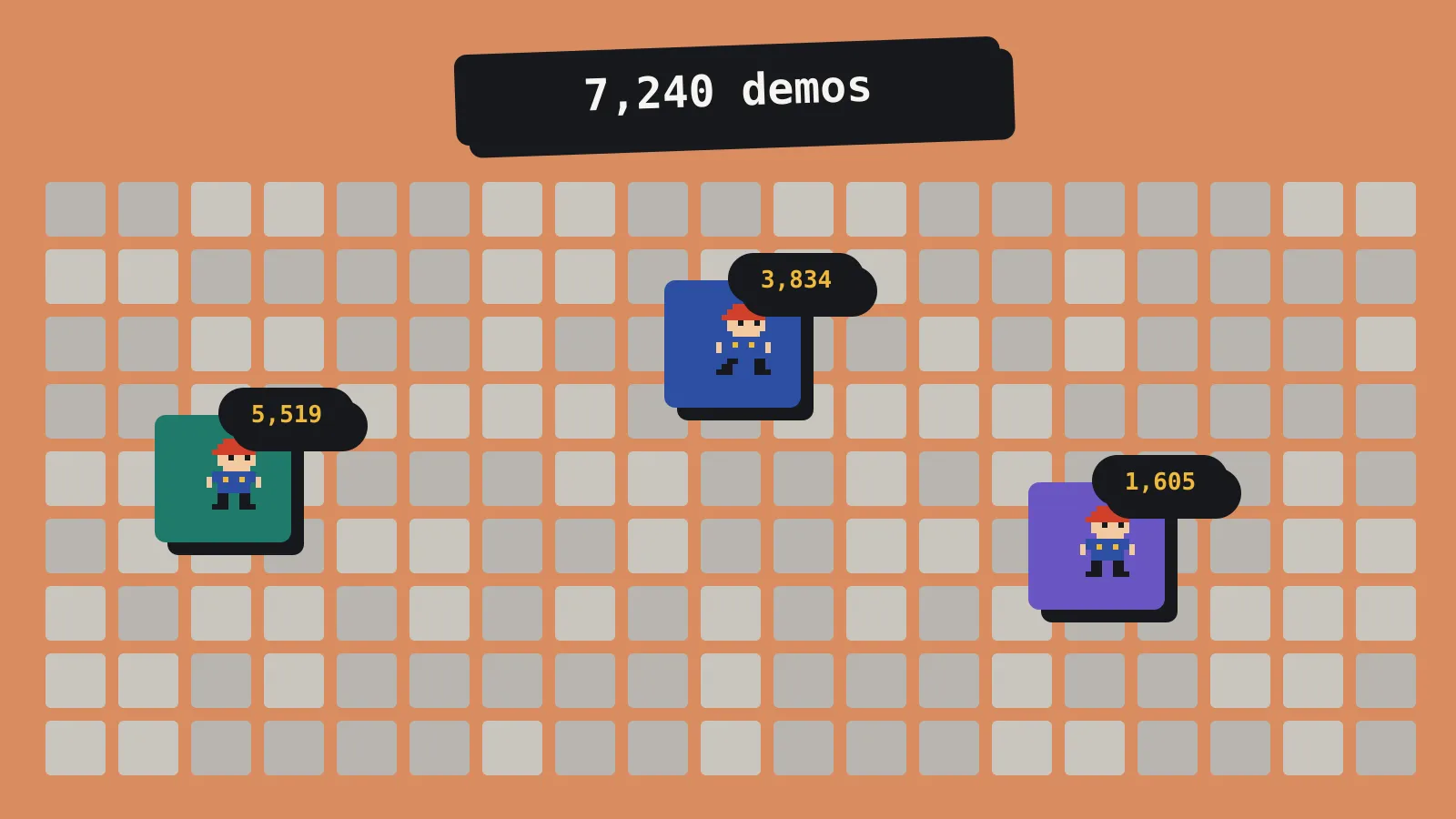
Two days before Game Developer’s story, How To Market A Game published a breakdown of the “Haystack” clones. A developer’s viral prototype about finding one needle in a huge pile of hay drew copycat Steam pages within days. The first full clone launched on 29 September, about a month after the original tweet. A clone called Find The Needle shipped a public demo first and passed the original in Steam followers on 5 October, based on SteamDB data cited in the piece. The author estimates the original sits about 20,000 wishlists behind that lead clone.
What the rule blocks and what it doesn’t
The rule targets one narrow request: a Claude Code user on Opus 5.5 asking it to rebuild a named or clearly identified game. If someone asks it to copy a demo they downloaded, by name, the rule is meant to make Claude Code decline. That raises the effort for the laziest cloners.
It does much less beyond that. Game Developer points out that safety limits on AI tools have often been talked around with clever wording. A cloner who describes your mechanics one by one, without naming your game, may never trip the rule. Game Developer also notes it is unclear how Claude Code would check whether you really own a design or its assets. Commenters on the story raised the obvious exit too: open-weight models, which anyone can download and run, carry no such rule.
The rule also doesn’t change the law. As we noted in our ReVamp piece, copyright mainly covers your code and art, not your mechanics. A clone with fresh art and its own code can be hard to stop, whatever tool built it. And other AI coding tools have made no matching announcement that we could find.
What it means for a solo dev or small team
If you were weighing a public demo, this rule shouldn’t change that call. It removes one easy route for one tool. Your demo is still a public build that anyone can study, record and describe to any model they like.
The Haystack numbers cut the other way, too. How To Market A Game found that the original kept growing by roughly 60 to 70 followers a day without a live demo, while a clone with a playable demo took the lead. Its advice is to get a demo out quickly if your game goes viral and clones appear, because keeping it hidden left room for a copy to reach players first.
If you use Claude Code yourself, there is a small practical change. Projects that look like remakes could get refused, even legitimate ones. Think of a port of your own earlier game, a licensed remaster, or a jam game you are rebuilding properly. Osmani says those cases should keep working and asks for reports when they don’t.
What to do now: concrete steps
- Keep your demo plans. Decide between a Steam demo, Steam Playtest or a gated Discord test on reach and risk, as before. Don’t count on vendor rules for protection.
- Ship a lean build. Use a release build with debug symbols, dev consoles and cheat menus removed. In Unity, build with IL2CPP rather than Mono, which turns your scripts into native code that is harder to read. Cap the demo at your first 30 to 60 minutes.
- Keep dated records. Commits, devlogs, store page history and early posts help prove you were first if a clone appears.
- Watch for clones early. Search Steam for your hook every week or so and check suspect pages on SteamDB. How To Market A Game suggests comparing follower charts there before reacting to headlines.
- Be ready to move fast. If your hook takes off and copycat pages appear, have a demo build ready to go public, as the Haystack case suggests.
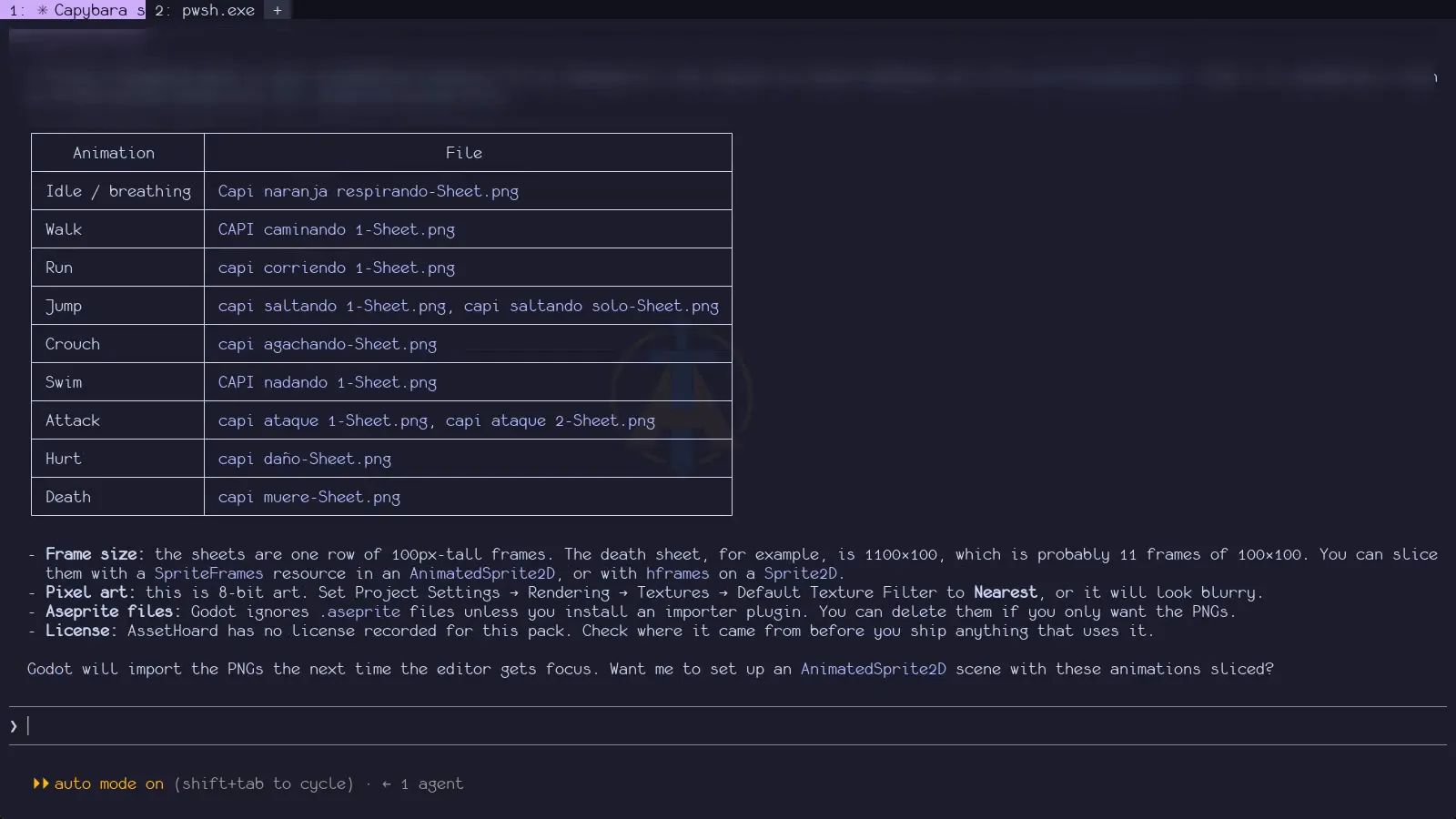
- Give Claude Code context on your own remakes. If you are porting or remastering your own game, say so in the request and keep design docs and assets in the project. If it still refuses, report it through the channel Osmani gave.
We’ll update this piece if Anthropic publishes the exact wording of the two sentences, or if other AI tool makers follow.
Sources
- Anthropic appears to have ordered AI tool Claude to stop remaking video games (Game Developer)
- AI Cloners Are Here. Are Indie Devs Cooked? (How To Market A Game)
- Chasm’s original post on X, as linked by Game Developer (X)
- Moonlighter developer delays public playtest of next game over concerns of AI cloning (Game Developer)