Unity Spark is a game maker for people who've never used Unity
Unity and Google announced Spark, a browser game maker that builds from prompts and Asset Store art. Here's who it's for and what sellers should watch.
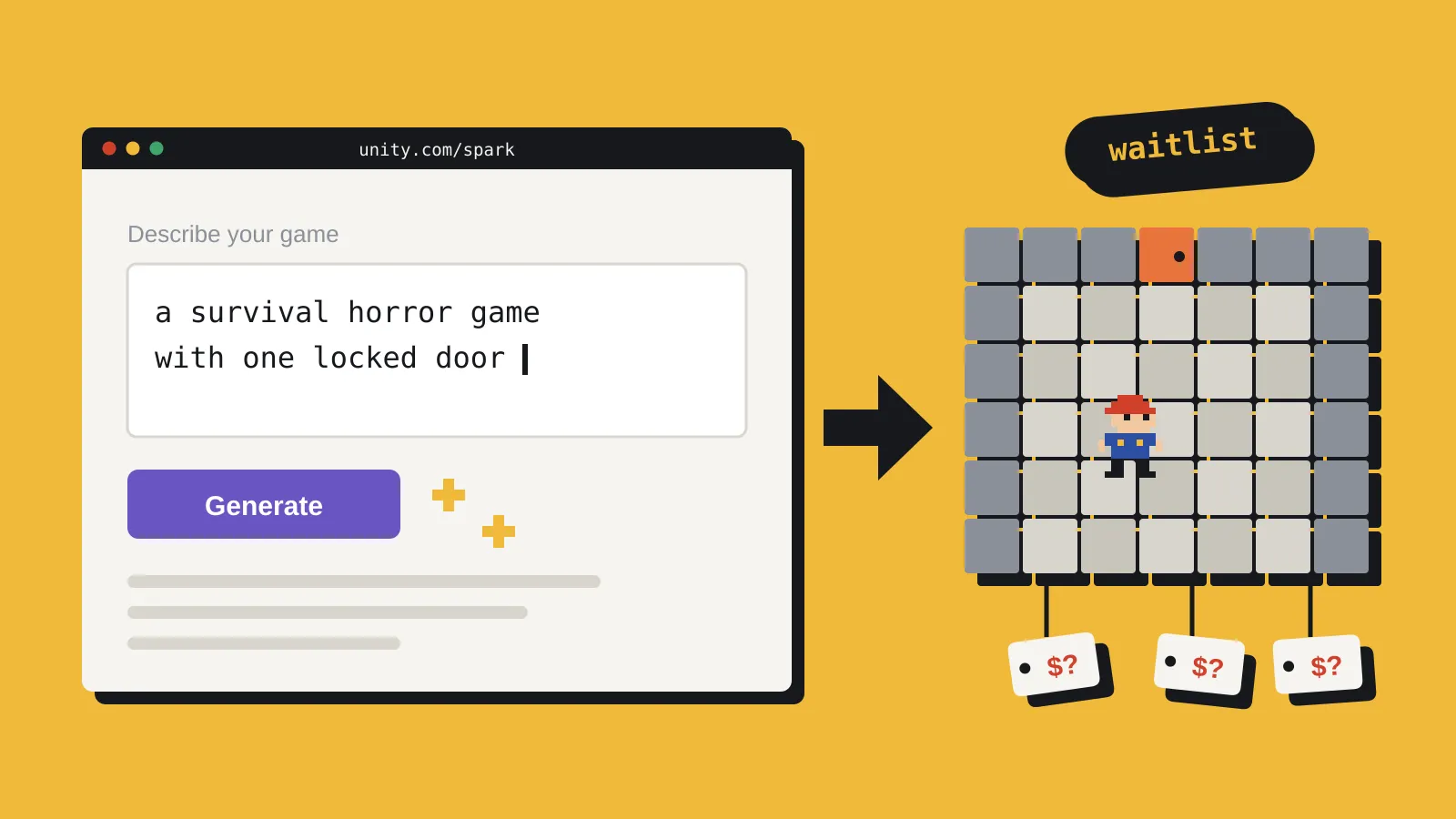
On 7 October Unity announced Unity Spark, a browser-based game maker that builds games from typed descriptions and Asset Store art. It arrived alongside Google’s Playground, an experimental site for making, playing and sharing games through prompts. Spark isn’t open yet. Unity lists it as coming soon with a waitlist, and Google says a closed beta will follow.
What it is
Unity’s pitch is three steps: prompt it, refine it, publish it. The middle step is the one to watch. Most prompt-to-game tools give you a first draft and little control after that. Unity is promising a web editor where you keep working on the game. How deep that editor goes is the biggest open question.
For now, Spark games are headed for Playground. Google positions Spark as the step up from Playground’s own tools, adding more complex mechanics, 3D and the Unity runtime.
Who it’s for
In a post on the Unity blog, CEO Matt Bromberg names three groups: players who know a genre inside out, artists who can’t code, and modders. His argument rests on scale. About 3 billion people play a Unity-made game each month, he writes, and almost none of them have made one.
The Asset Store question
Spark builds games from Asset Store art rather than generated images. That answers the usual complaint that AI game tools credit nobody. It also puts the Asset Store inside a consumer product, and Unity hasn’t explained the business side.
If a dungeon pack turns up in 500 Spark games made by people who never visited the store, how does its seller get paid? Per use, per play, or from a pool? Does the standard Asset Store licence even cover a game published on Google’s platform? Depending on the answers, Spark is either a big new audience for sellers or a way to use their work at scale for very little.
What it means for you
- Asset Store sellers: watch for updated publisher terms that mention Spark or Playground. Check how use is licensed, how it’s paid, and whether you can opt out.
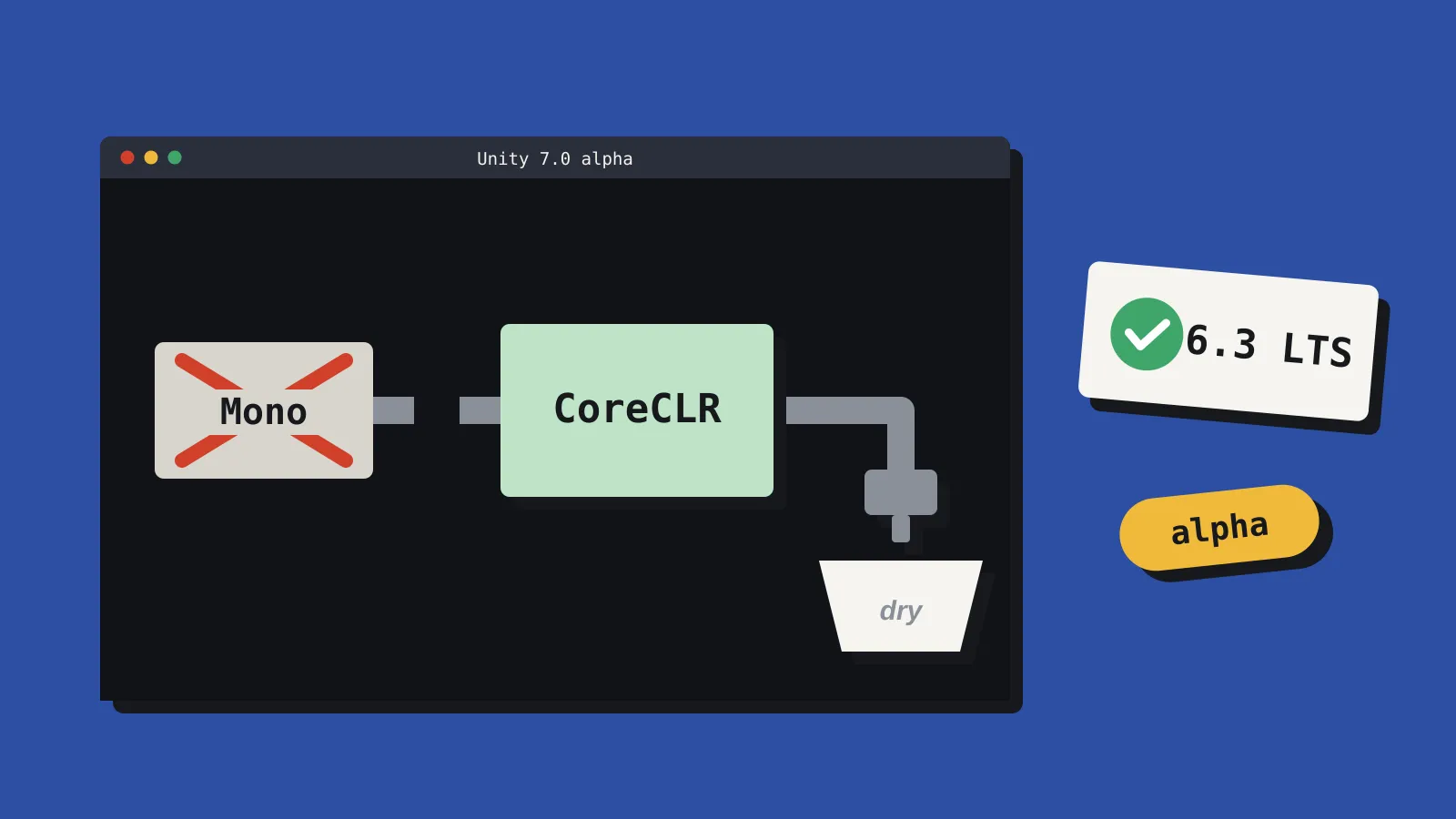
- Mid-project developers: nothing changes. Spark can’t ship to Steam, consoles or mobile, and it isn’t Unity 7 (we covered the Unity 7 alpha separately).
- The curious: join the waitlist. It could be a quick way to test whether a mechanic is fun. Playground is US-only and 18+ for now, so Australian developers will have to wait.
We’ll follow pricing, licensing and export news in Engines.
Sources: Why we built Unity Spark (Unity), Unity Spark product page, Introducing Playground (Google), Unity announce Unity Spark (GameFromScratch).