One dev asked chicken owners for names and got almost 3,000
The MachinEGG's developer asked a chicken-keeping community for pet names and got 700 comments. How to ask a community for content without it backfiring.
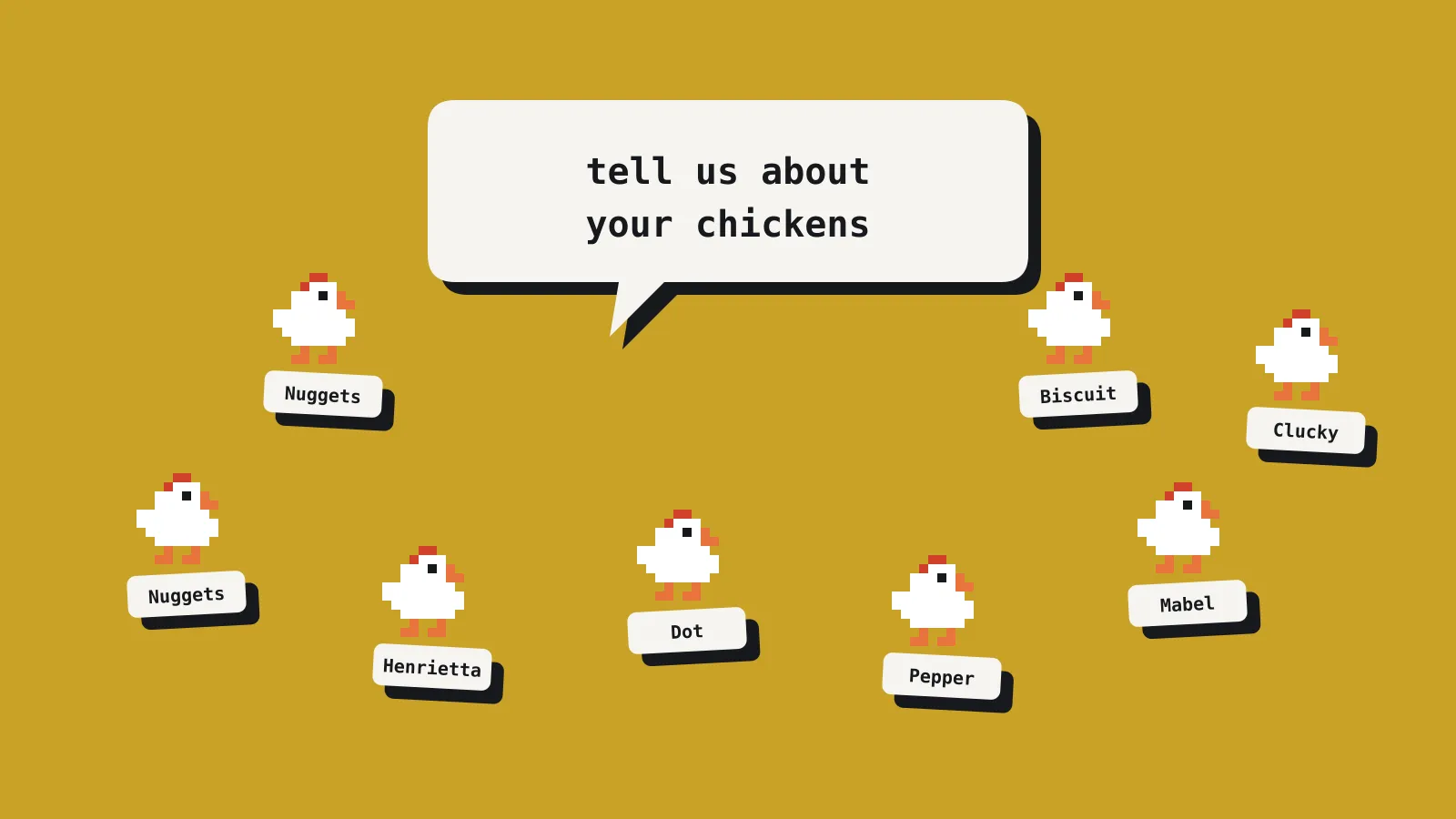
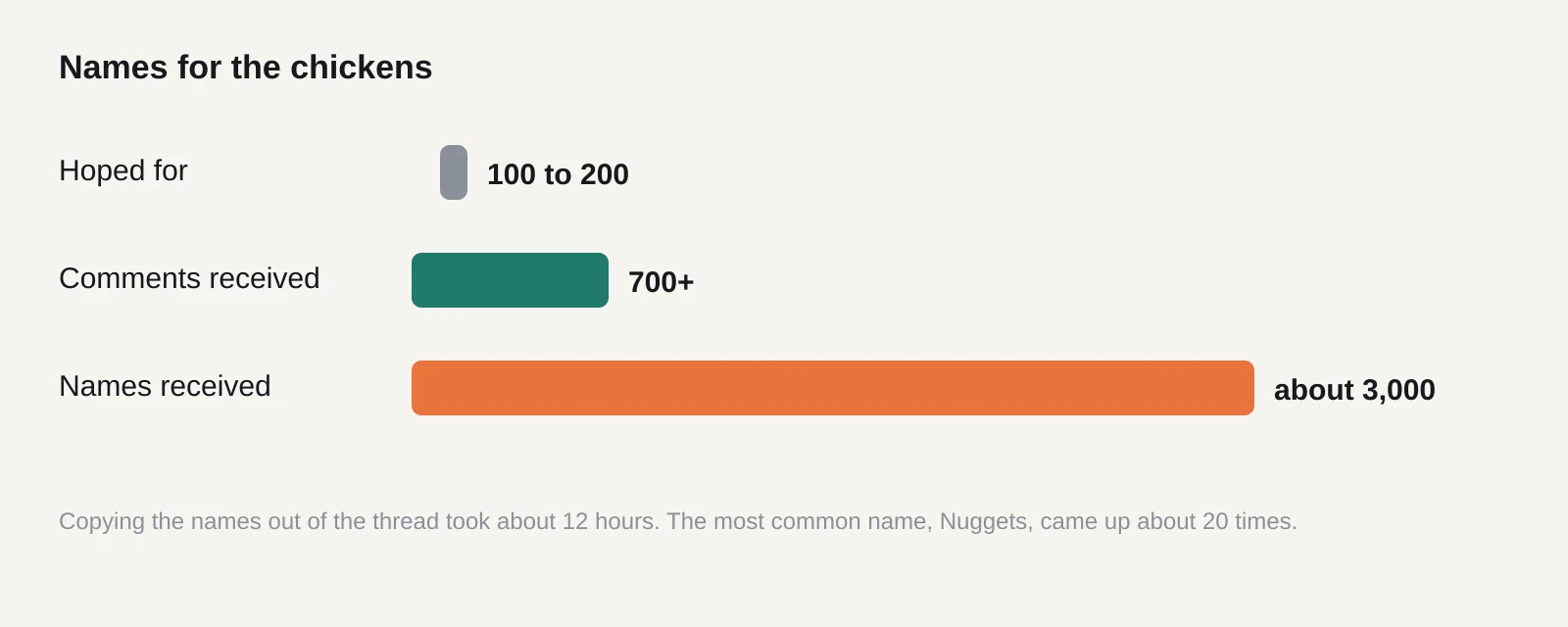
The developer of The MachinEGG, a pixel art egg factory game, wanted every chicken that arrives on the player’s farm to have its own name. Instead of writing a list, they asked a community of chicken keepers to share the names of their real birds. They hoped for 100 to 200. They got more than 700 comments and close to 3,000 names, according to a write-up in this week’s Game Dev Report newsletter and the developer’s own post on r/gamedev.
What The MachinEGG is
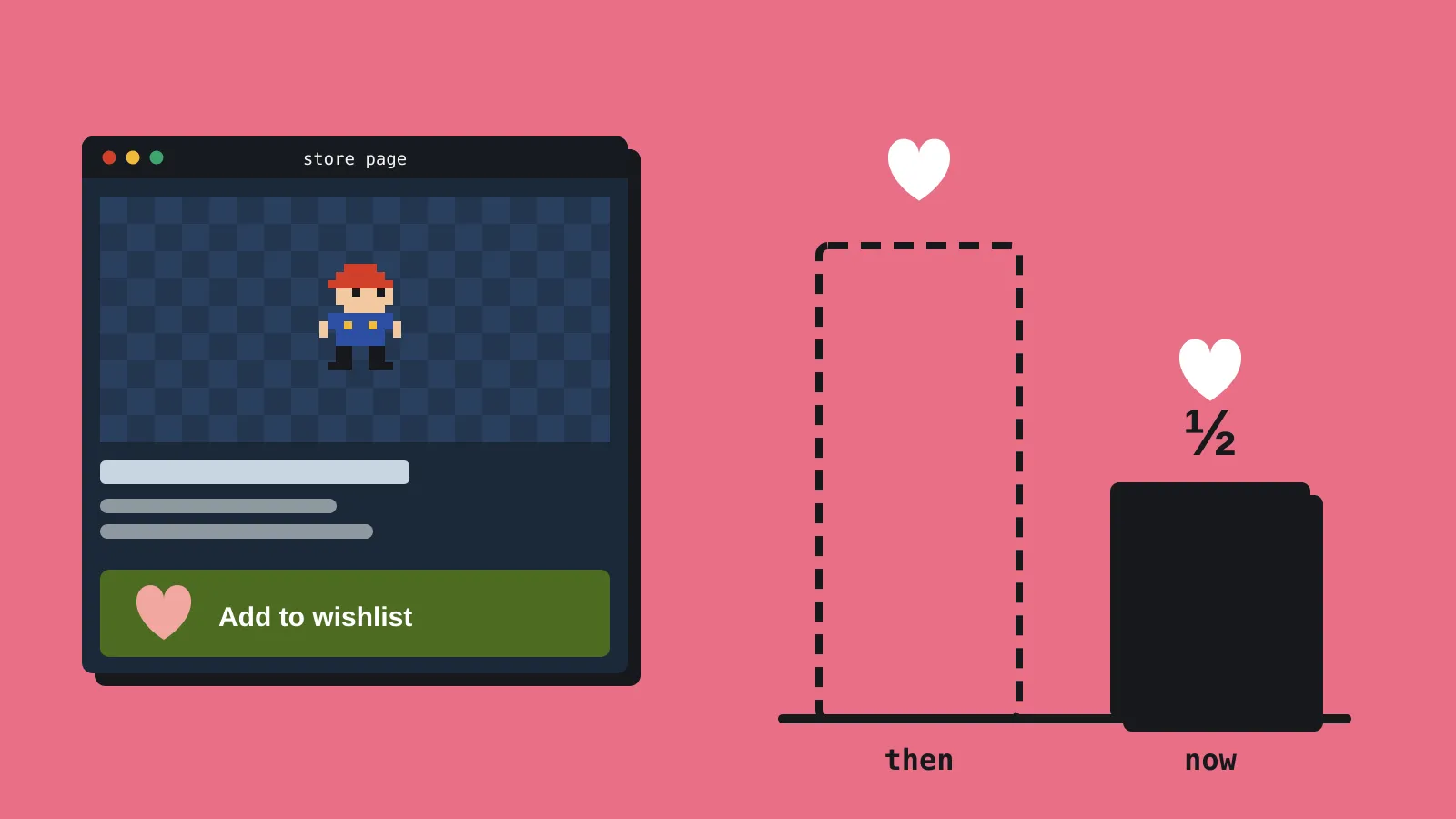
The MachinEGG is an incremental clicker from Quantum Games Studio. You hatch chickens, lay pipes, hire squirrels and upgrade an automated egg factory. A playable web version and an itch.io prototype are out now, and a Steam page is taking wishlists ahead of release. The official site’s metadata suggests it’s built in Godot.
The game also has a Virtual Sanctuary, where players can look after chickens and remember birds that have died. That detail matters. A game with a memorial for real pets has an obvious reason to carry real pets’ names, so the request didn’t feel like a stunt.
The developer says they spent about 12 hours copying names out of the thread and reading the stories that came with them. The most common name was Nuggets, which turned up about 20 times.
Why this works as marketing
The clever part is where the developer asked. A gamedev subreddit is full of other developers. A chicken keepers’ community is full of people who care about chickens, which is exactly who might want a cosy chicken factory game.
The ask also centred on the audience. People weren’t asked to wishlist anything. They were asked to talk about their own birds, which they were happy to do at length. Each commenter now has a personal reason to look for the game when it launches, because a bird they loved may be in it.
We don’t know how many wishlists this produced, and the developer hasn’t said. But the cost was one post and a day of admin, and the result is content the game needed anyway. Compare that with the price of the same reach through ads.
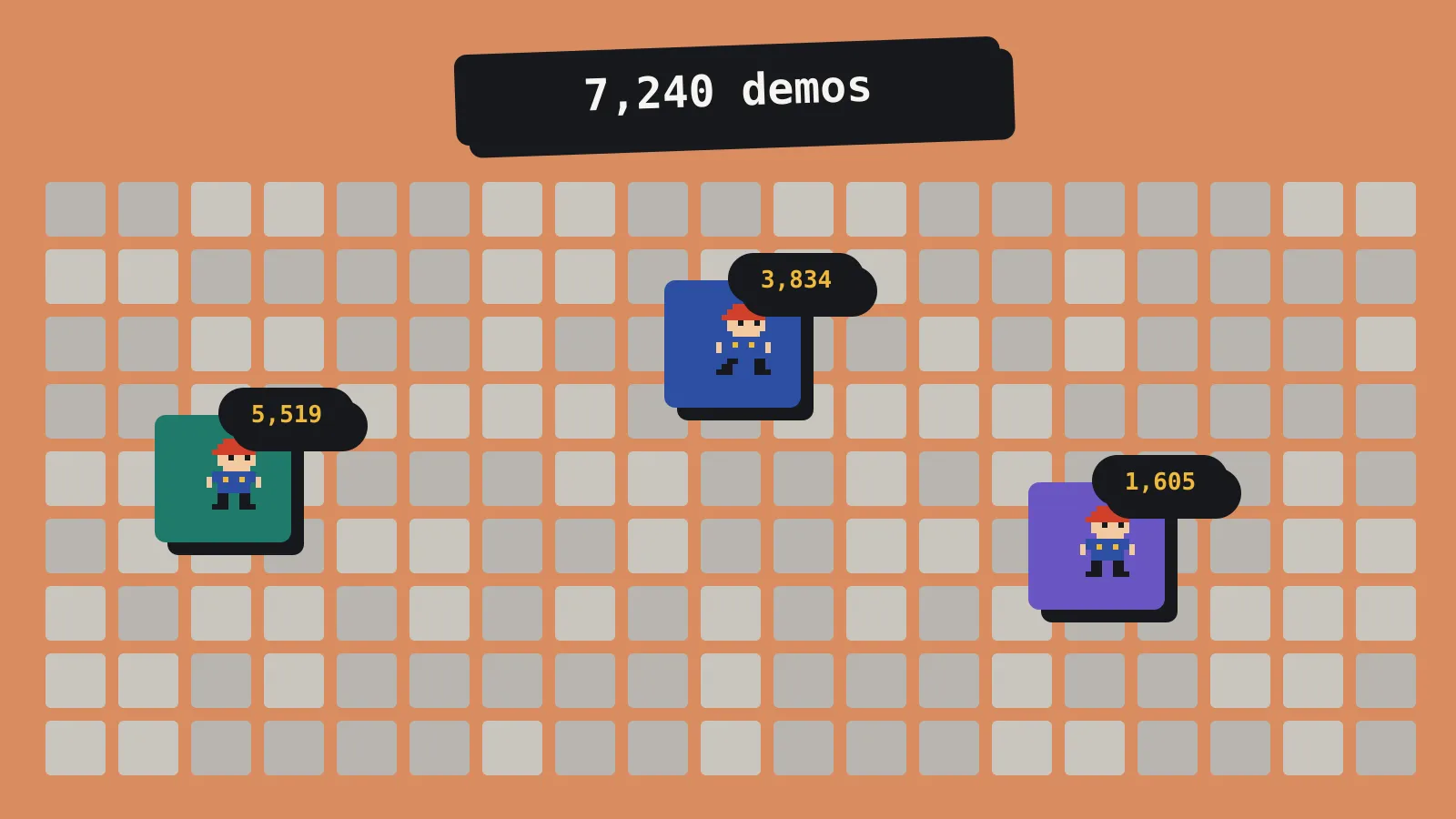
Timing helps too. This month’s Steam Next Fest carried more than 7,000 demos, and as we reported, the games that did well arrived with followers already banked (our Next Fest piece). A few hundred people with a personal link to your game, found months before launch, are the kind of following that survives a crowded festival. They also tend to talk about the game in their own spaces, which reaches players your store page never will.
Where it can go wrong
Most hobby communities have rules about self-promotion, and some ban it outright. A post that reads like an ad can get removed or earn a ban, and moderators remember. Read the rules first, and message the moderators if you’re unsure.
Names are low risk. Stories, photos and art are not. If you plan to use anything more than a name, ask for permission explicitly, say where it will appear, and keep a record of who agreed. A text field that says “by submitting, you agree we can use this in the game” is clearer than a comment thread.
People will also send you names you can’t ship. Expect jokes, slurs and the occasional real person’s full name. Build a filter step into your plan, and don’t promise that every submission will make it in.
Finally, think about scale before you post. Twelve hours of copying is a full working day for a solo dev. A thread that blows up can cost you a week you didn’t schedule.
What to do now
If your game has a subject outside games, such as farming, fishing, trains, birds or cooking, there’s probably a community that cares about it more than gamers do. Find one where your game’s likely players already hang out.
Pick content the game needs and the community can supply easily:
- names for pets, crew, towns or ships
- recipes, tactics or trivia for loading screens
- local place names or slang for a setting
- sounds or photos, but only with clear permission
Make the request about them. “Tell us about your chickens” works better than “help name the chickens in my game”, even though both lead to the same list.
Collect submissions through a form if you can. A form gives you a spreadsheet instead of a comment thread, lets you ask for consent in one tick box, and lets you ask whether the person wants a credit and under what name.
Plan the processing. Set a closing date, budget the time to clean the list, and run a basic filter for duplicates and offensive entries before anything goes into the build. If names appear in text, check they fit your UI at every supported language and font size.
Close the loop. When the update or launch ships, go back to the same community, within its rules, and tell people their contributions made it in. A credits page or an in-game list of contributors gives them something to share. That post is the one most likely to turn goodwill into wishlists.
Keep the receipts. Save the thread or form export with your project files, along with any consent you collected. If a contributor asks later for their pet’s name to come out, you’ll know where it is.
We’d like to hear from developers who have tried this. If you’ve crowdsourced content for your game, tell us what it cost you in time and what it brought back.