Unity bought Synty. Here's what happens to your POLYGON packs
Unity now owns the studio behind the POLYGON low-poly packs. Your existing licences stay put, but Godot users and Synty Pass subscribers should read the fine print.
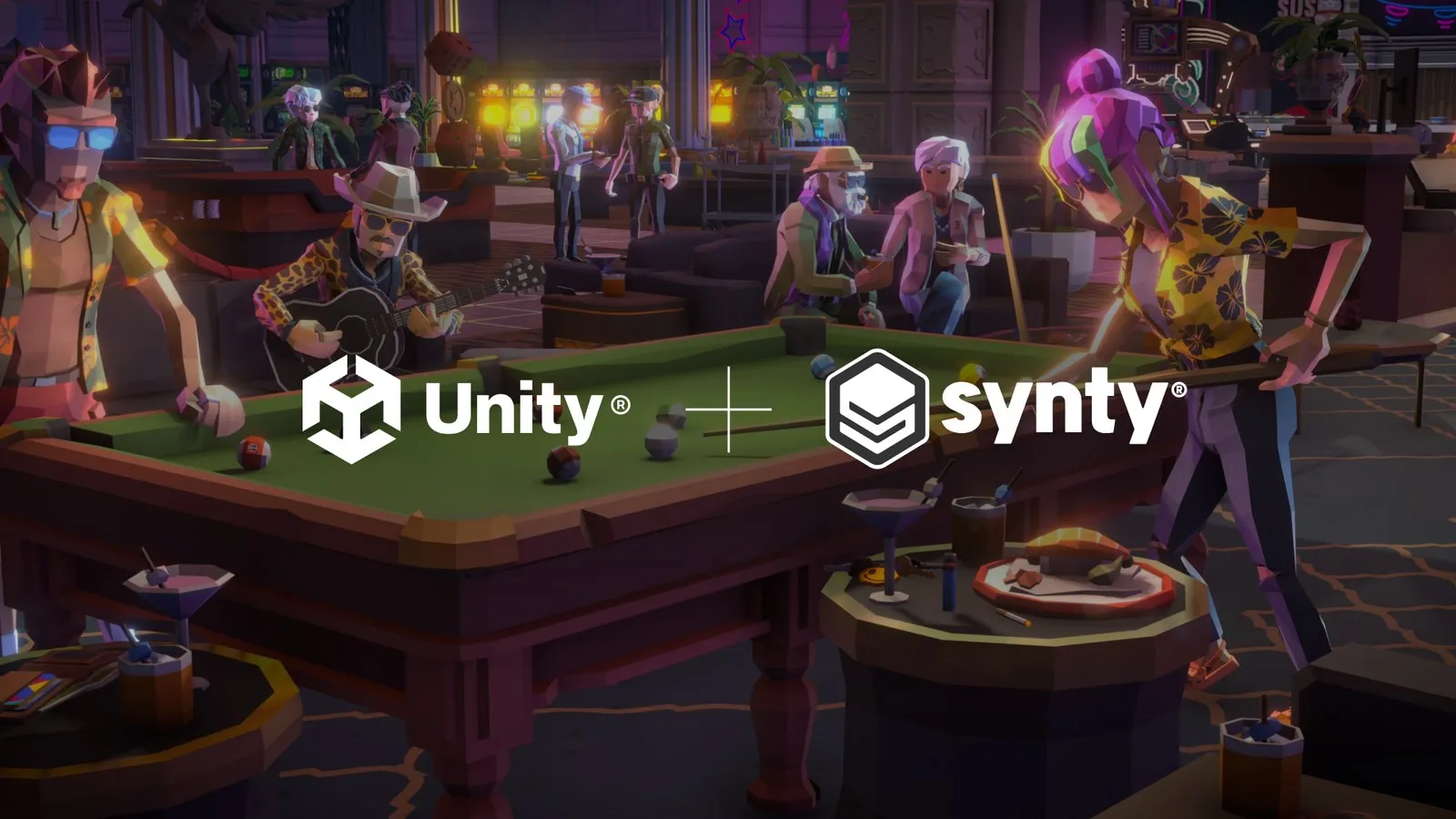
Unity announced on 16 November 2026 that it has bought Synty Studios, the New Zealand studio behind the POLYGON range of low-poly 3D packs. The price wasn’t disclosed. Most of Synty’s artists are moving to Unity, and the whole library is headed for Unity Spark, Unity’s AI game-creation platform, starting with a closed beta before the end of 2026.
If you’ve built a game on Synty art, and plenty of solo devs have, the short answer is that nothing you’ve already bought changes today. The longer answer depends on which engine you use and how you pay for your packs.
What Unity actually announced
The deal was announced at Unite Tokyo, alongside the new Unity Fellowship grants. According to Unity’s announcement post, Synty keeps its brand, its art style and its store. Free Synty assets stay free. The Synty Store and the Synty Pass subscription keep running as they do now. Unity also says packs will stay available for the engines and tools they support today, and that it will give “plenty of notice” before changing engine support.
Synty started in 2014, when its two founders made a single pack over a weekend and sold it on the Unity Asset Store. It now sells more than 70,000 assets, according to coverage from Game World Observer and Unite.AI. Its packs turn up in games like Dispatch and Tabletop Tavern, and in a long tail of indie prototypes and jam games.
The new part is Spark. Unity describes it as an AI-native game creation platform that connects straight to the Asset Store. Synty’s library will be one of the first big content sources inside it, and Unity’s pitch is that Spark users can mix Synty art with packs from other Asset Store sellers. There’s a waitlist at unity.com/spark, but no public date beyond “later this year”.
Who is affected, engine by engine
Unity users. Unity says your packs, licences and workflow carry on unchanged. That’s the easy case. If anything, packs could get more attention now that the owner also makes the engine.
Unreal users. Synty officially supports Unreal Engine for some of its packs, and it sells on Epic’s Fab marketplace as well as its own store. Unity’s statement covers “engines and tools they support today”, which includes Unreal. Buying direct from the Synty Store gets you both the Unity and Unreal project files, according to Synty’s own FAQ.
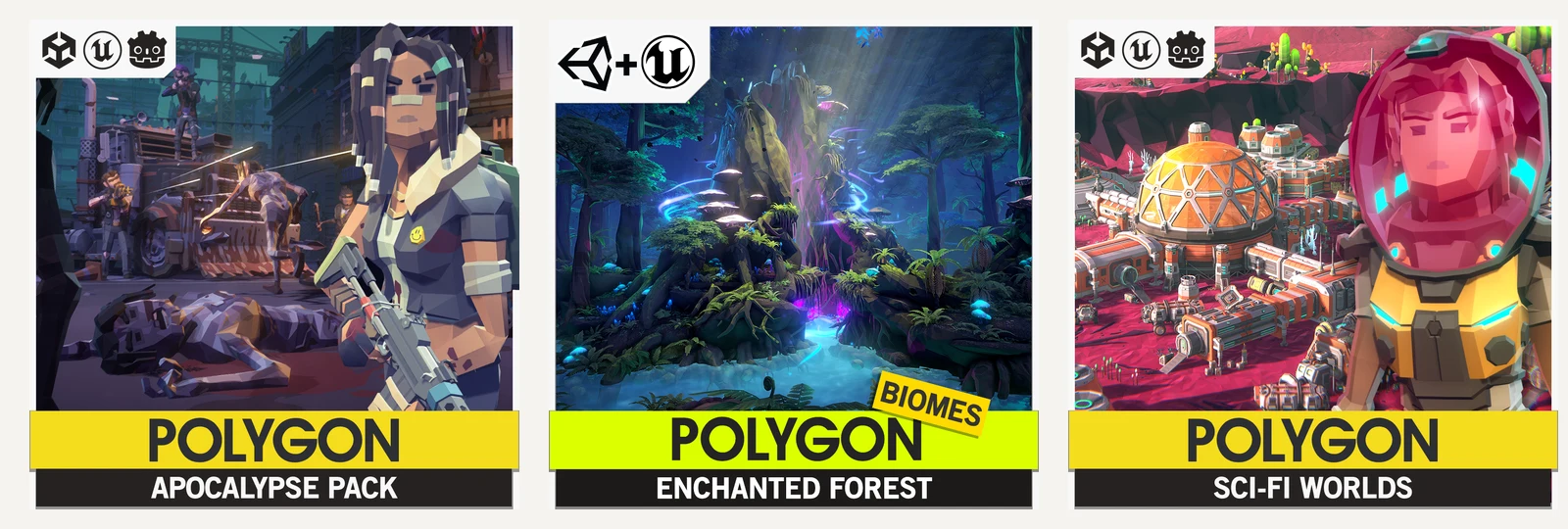
Godot users. You’re covered too, though the picture is messier. Unity’s FAQ on the deal says Synty will keep producing and selling assets for Unreal and Godot, for the engines its packs support today. Synty’s store has an Assets for Godot collection, and some packs, such as POLYGON Apocalypse, now ship a Godot 4.6.2 project alongside the Unity and Unreal files. Synty’s own FAQ, though, still says it only gives official support to Unity and Unreal. Check each pack’s compatibility notes before you buy, because many packs, such as POLYGON Enchanted Forest, still list only Unity and Unreal.
Everyone, for shipped games. Synty’s one-time purchase licence doesn’t depend on who owns Synty. A licence you bought last year is the same licence today.
The Synty Pass catch
If you use Synty through the Synty Pass subscription rather than one-off purchases, read the Standard Subscription Licence (last updated 11 September 2024) before you plan your next year.
Under that licence, when your subscription ends you can’t use the assets in any new project. You can make small bug fixes to an existing game. You need an active subscription if you substantially develop, modify or improve it. In practice, a subscriber’s ongoing updates and DLC depend on keeping the Pass.
That was true before the deal. What’s changed is who sets the price. Unity says the Pass “keeps running as it does today”, but it gives no price guarantee, and Synty’s FAQ lists no public prices. Synty’s monthly plans already have a three-month prepaid minimum.
There’s also an odd tension in the subscription terms. They ban using Synty assets to develop or feed generative AI. Spark is an AI platform that will use the same library. That’s Unity’s right as the new owner, and it doesn’t change what you can do. Still, if you want to use Synty art with your own AI tools, the restriction in your licence still applies.
What it means for a solo dev
For most people reading this, the risk is about the future rather than the present. Here are the three things worth thinking about.
First, availability. New packs from here on are made by a Unity team. Unity says Synty will keep producing new packs, but its FAQ question on Unreal and Godot support gives no long-term commitment beyond today’s engines. If your game is in Unreal and you expect to buy future packs, watch whether new releases still ship with Unreal versions.
Second, style. A lot of Synty-based games already look alike, because the art is affordable and popular. If Spark makes the same packs the default look for AI-assisted games, that look could get even more common on Steam and itch.io. That matters for your capsule art and trailer, where standing out is the whole point.
Third, price. Unity has changed pricing before, most memorably with the Runtime Fee it announced and then cancelled in September 2024. There’s no sign of a Synty price change, and Unity says the Store carries on as before. But you’re now buying from a larger company with its own revenue targets.
What to do now
Download everything you own. Log in to the Synty Store, Fab or the Unity Asset Store and grab local copies of every pack, including the Unreal versions if you’re entitled to them. Keep them with your project backups.
Save your licence terms. Keep a copy of the licence text that applied when you bought each pack, with the date. If terms change later, you’ll want proof of what you agreed to.
Check how you pay. If you’re on Synty Pass and actively developing, work out which packs your game really depends on. Buying those outright could cost less than staying subscribed for years, and it removes the “active subscription” requirement for updates.
Godot devs, plan your own pipeline. Where a pack ships a Godot project, download it now. Where it doesn’t, keep notes on how you import Synty FBX files and fix materials, so you aren’t relying on Synty or Unity for a fix.
Think about your look. If your game leans heavily on POLYGON art, budget some time for custom shaders, colour grading or a few hero assets of your own, so screenshots don’t read as “another Synty game”.
We’ll update this story if Unity publishes FAQ answers on Unreal and Godot support, or if Synty Pass pricing changes.
Sources
- Unity Acquires Synty Studios, Library Coming to Unity Spark (Unity blog)
- Standard Subscription Licence (Synty Store)
- Frequently asked questions (Synty Store)
- Assets for Godot (Synty Store)
- POLYGON Apocalypse Pack (Synty Store)
- Unity acquires 3D asset creator Synty Studios (GamesIndustry.biz)
- Unity has acquired Synty Studios (Game World Observer)
- Unity Announce Fellowship + Acquire Synty Studios (GameFromScratch)
- Synty’s 70,000-plus 3D assets will feed Unity Spark’s closed beta (Unite.AI)