Slotbound made $1.3 million in a week. Its demo did the marketing
A first-time solo developer's slot-machine defence game earned over US$1.3 million in its first week, and he says months of social posting barely moved the needle.
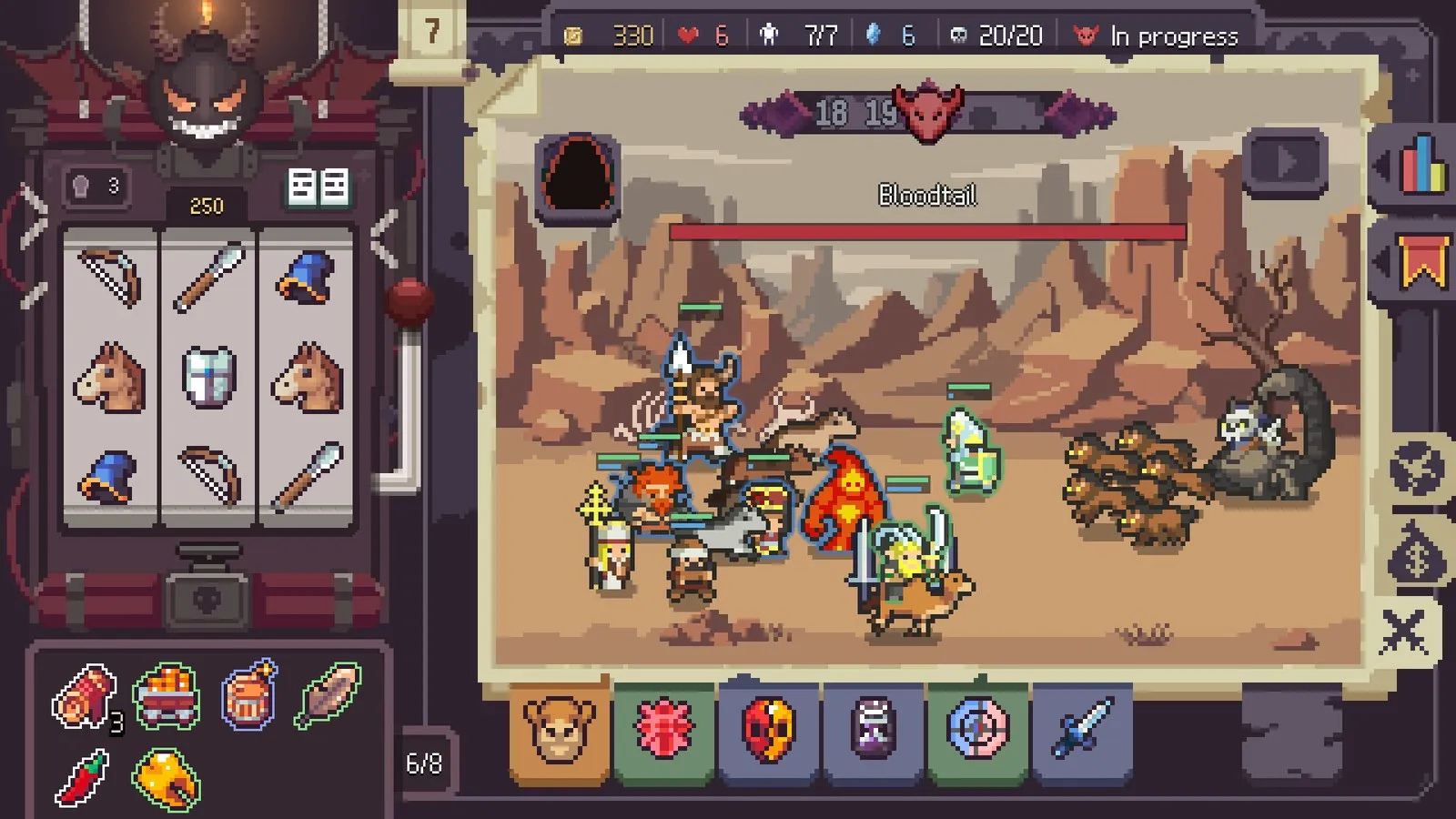
Slotbound, a slot-machine defence roguelike made by one person in about a year, earned US$1,332,409 in its first week on Steam, according to its developer in an interview with Inven Global published on 24 November. The developer, Min Kim of South Korean studio Optima Arch, says he had no coding, art or game industry experience when he started. He also says the promotion he did during development had almost no effect. The demo did the work.
That second claim is the useful one for you. A breakout like this is easy to file under luck. Kim’s account shows where the attention actually came from, and a solo dev can plan for most of it.
What Slotbound is, and what it earned
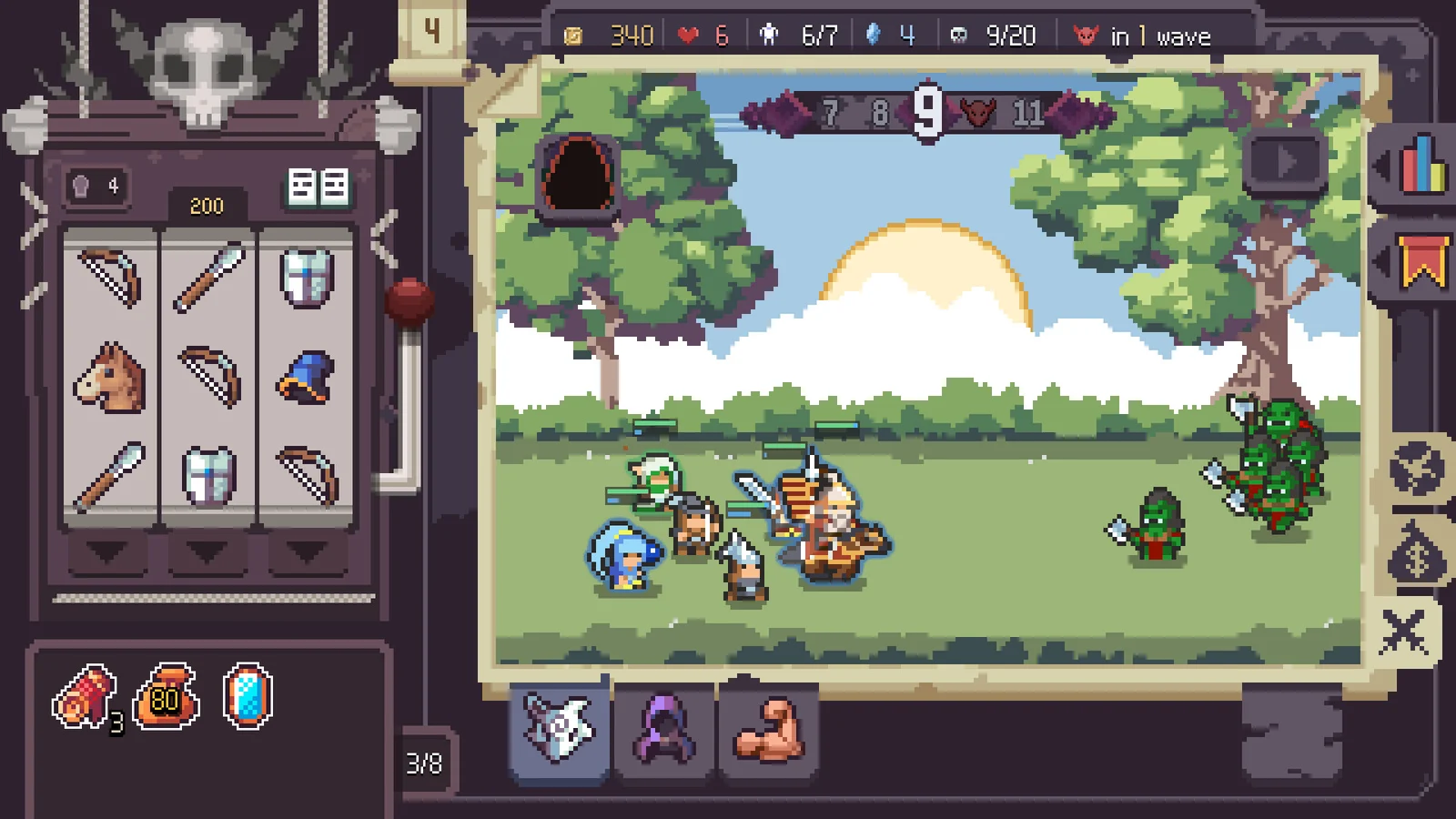
Slotbound launched as a full release, not Early Access, on 12 or 13 November 2026 (sources differ by a day, probably because of time zones). It costs US$9.99 on Steam, or 12,000 won in Korea, and runs on Windows and Mac. You spin a three-by-three slot machine to summon units, then merge and promote them to hold off waves of enemies. Kim names CloverPit as his main influence.
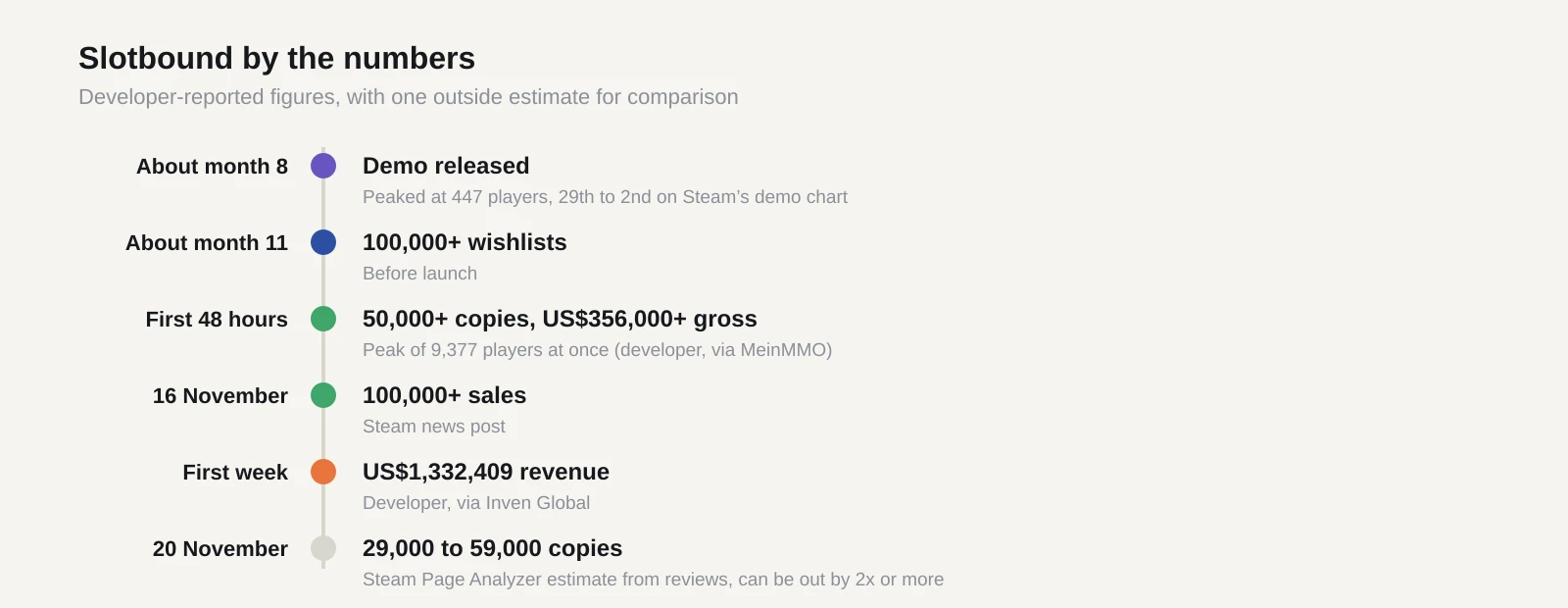
The numbers Kim has shared climb fast. On X he reported more than 50,000 copies and over US$356,000 gross in the first 48 hours, with a peak of 9,377 players at once, as reported by German site MeinMMO. A Steam news post on 16 November said sales had passed 100,000. Inven’s headline puts the total at 200,000 copies within a week, though the article body only gives the revenue figure.
Treat all of these as the developer’s own figures. Steam doesn’t publish sales. Steam Page Analyzer, which estimates sales from review counts, put Slotbound at 29,000 to 59,000 copies on 20 November, and says its method can be out by a factor of two or more. China is the biggest market, and about half the game’s Steam reviews are in Chinese.
The costs were small. Kim worked alone with no publisher or investors, funded by savings from his military service, and sold furniture and clothes to cover rent. He turned down publisher offers because he thought the revenue splits were too steep. His main tools were the LÖVE framework (a free Lua engine for 2D games), two AI coding subscriptions at about 30,000 won a month each, bought asset packs and the Steam fee.
Where the players came from
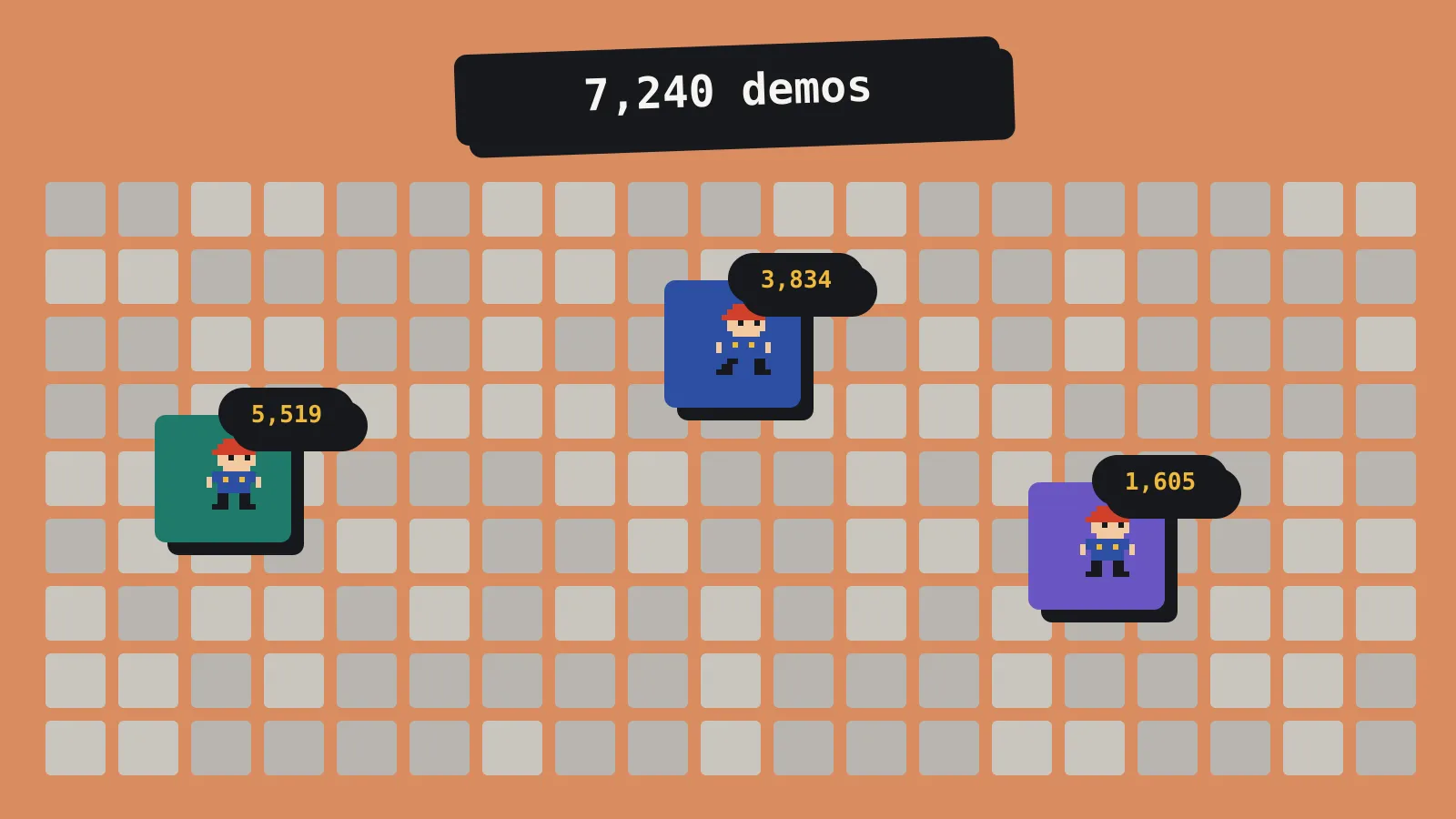
Kim posted about the game on Reddit and Threads during development and says it got very little response. The turn came when he released a demo, about eight months in. On its first day it peaked at 447 players at once and climbed from 29th to 2nd on Steam’s demo chart. YouTubers and Chinese players picked it up from there. By about month 11, the game had passed 100,000 wishlists.
He also says he didn’t study his analytics closely. So we can’t tell you which video or which day moved the curve, and nor can he. What the account does show is that the attention arrived once people could play the game, not while they were reading about it.
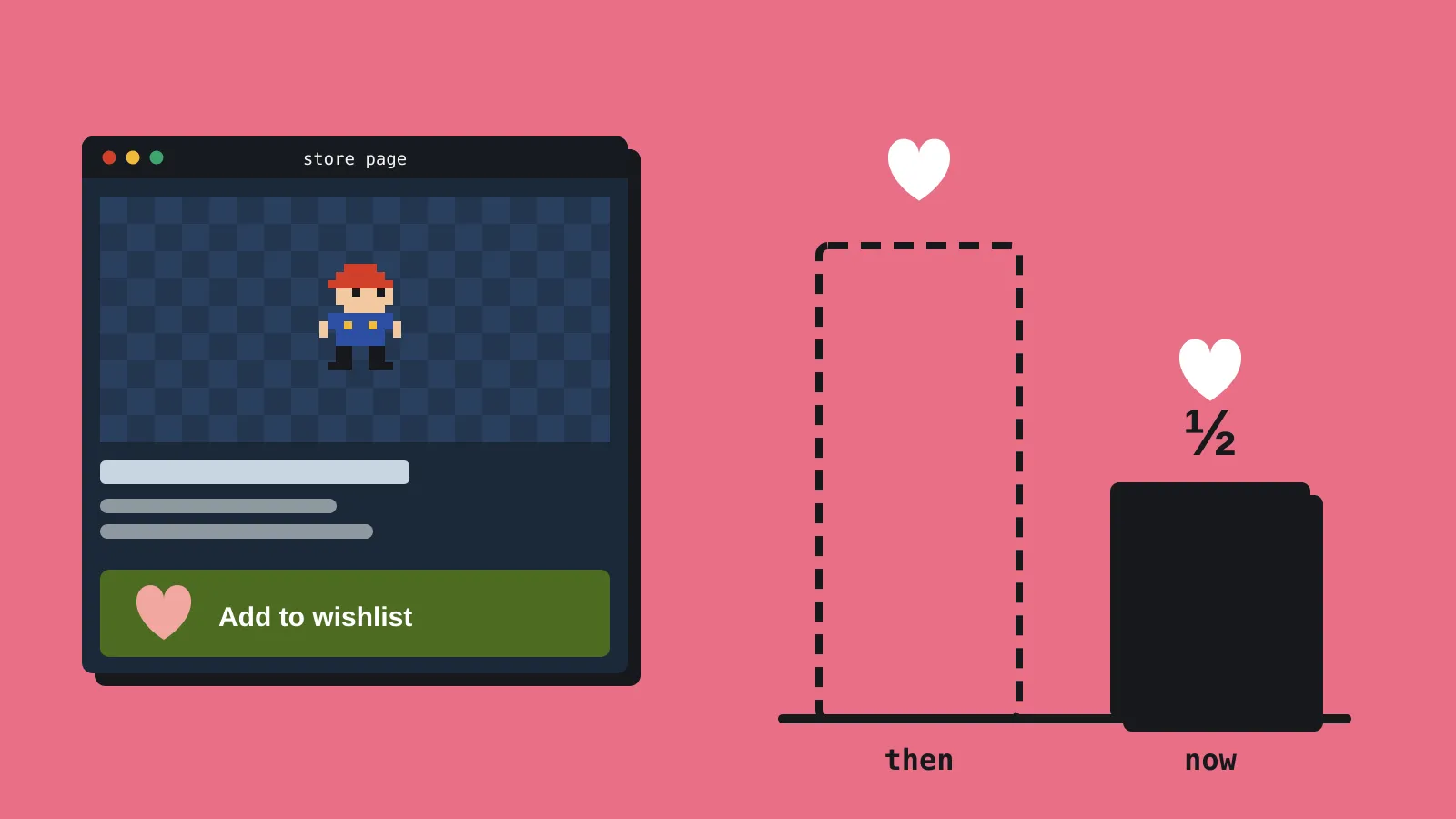
That matters more now than it did a couple of years ago. Wishlists convert to sales at a lower rate than they used to, as our look at falling wishlist conversion found. A demo that lets people try the game before they commit is doing more of the selling than a wishlist count can.
The AI part, and why the disclosure matters
Kim is open about how much AI did. He says almost all of the code was written by AI coding tools, first Copilot and then two Codex accounts he alternated between. His job was design, playtesting and catching bugs. To keep the AI on track he kept a rules file, added automated tests after every fix and built a tool that grabbed screenshots so he could check layouts pixel by pixel.
The Steam page discloses generative AI for some visuals: the menu background and animations, the shop screen, stage backgrounds and effects. Units and icons came from asset packs, some elements were drawn by hand, and most of the music was made for free by someone Kim met on Reddit. He told Inven he understands players’ concerns and disclosed the AI use because he doesn’t like lying.
The disclosure doesn’t seem to have hurt sales. That matches what happened with Tasty Chef’s AI art disclosure, where a plain statement about AI art sat alongside strong reviews. It won’t protect you everywhere, though. Some awards juries and press will still mark you down, so decide your position before launch rather than after someone finds it.
Launch week was a support job
The first 10 days brought more than 10 updates. Kim fixed crashes on certain Intel CPUs, problems with outdated Steam clients, Windows Security blocking the executable, lag in the endless mode, leaderboard cheating and keyboard shortcuts clashing with input method editors (the tools people use to type Korean, Chinese or Japanese). Most of those only show up once thousands of strangers play on their own machines.
Copycats arrived too. Fake Slotbound mini-games appeared in China, and a Chinese fan reported one on his behalf. If your demo takes off, the mechanic you showed is out in the open. Our pre-demo checklist for making your game harder to clone covers what to think about before you release yours.
What to do with this
You can’t copy a breakout, but you can copy the order Kim did things in.
- Ship a demo early enough to learn from it. Kim’s went out about four months before launch. That gave the game time to collect wishlists and him time to fix what players found.
- Don’t measure a social post by what it does on the day. His posts on Reddit and Threads did little on the day, but the person who made most of his music was a Reddit user.
- Plan for markets you didn’t target. China became Slotbound’s biggest audience. Check your store page, price and fonts work for Simplified Chinese before you launch, not after.
- Test input on other keyboards. IME conflicts and antivirus blocks are cheap to test for and expensive to fix in launch week.
- Write your AI disclosure on purpose. Say which parts used AI and which didn’t, as Kim did.
- Check the deal before you sign one. Kim turned publishers down because of the revenue split. That was his call, but run the numbers on any offer you get.
Kim plans to release his next game, again solo, in early 2027.