Assets
ArtStation's store closes 18 December. Save your asset licences
ArtStation Marketplace stops taking orders on 18 December and moves sales to Gumroad. Here's what to download, record and check before your library access ends in 2028.
Making game art on an indie budget means picking the right tools and knowing what you can use. This collects our coverage of Blender add-ons, texturing, retopology and UV tools, characters and hair, and the asset libraries and licences behind them.
Choosing between them? See our game dev tools comparison, updated with every release.
Unity now owns the studio behind the POLYGON low-poly packs. Your existing licences stay put, but Godot users and Synty Pass subscribers should read the fine print.
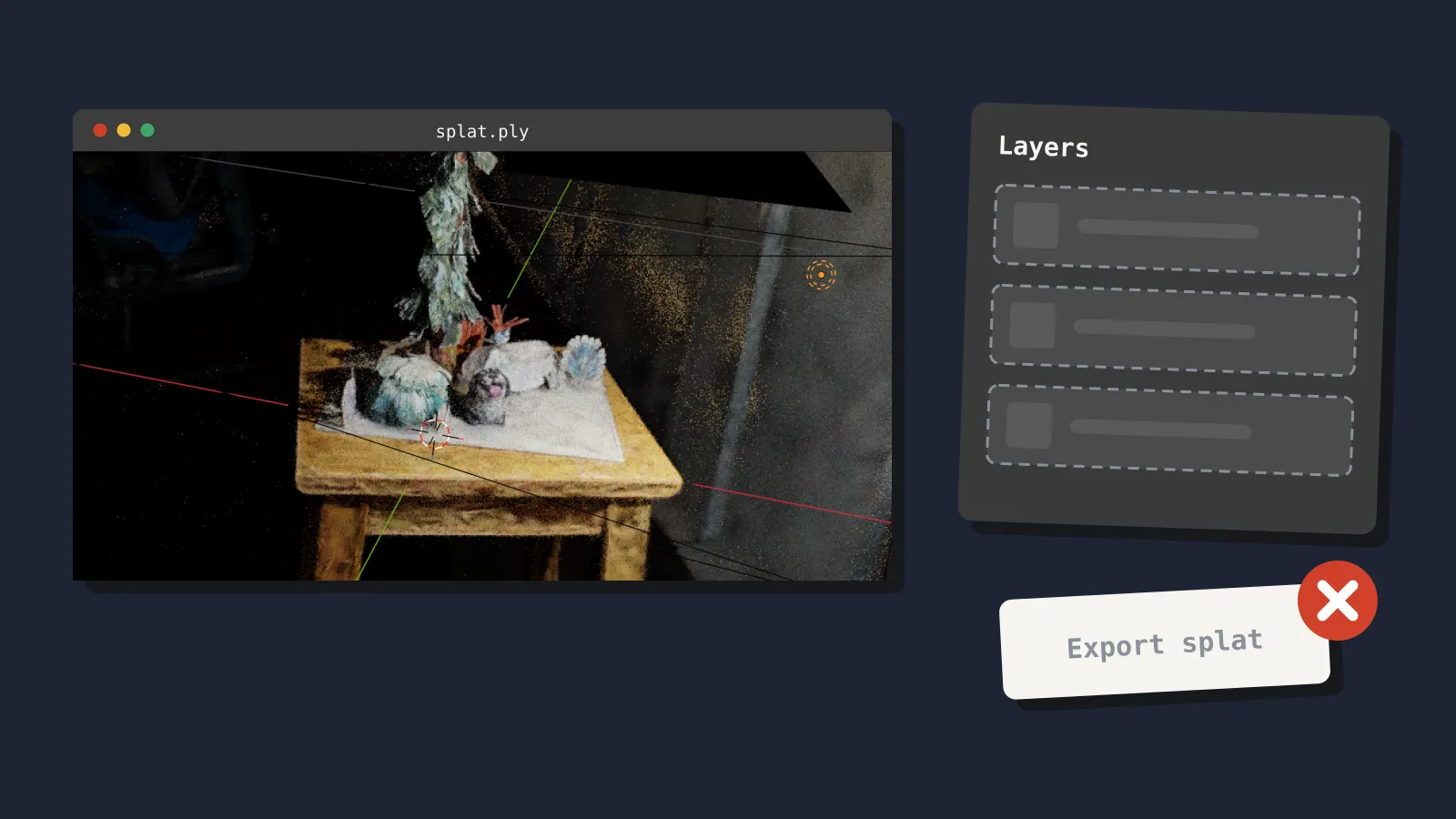
Blender 5.3 shipped on 10 November with view-only splat support and Vulkan by default, while the promised texture layers did not make the release.
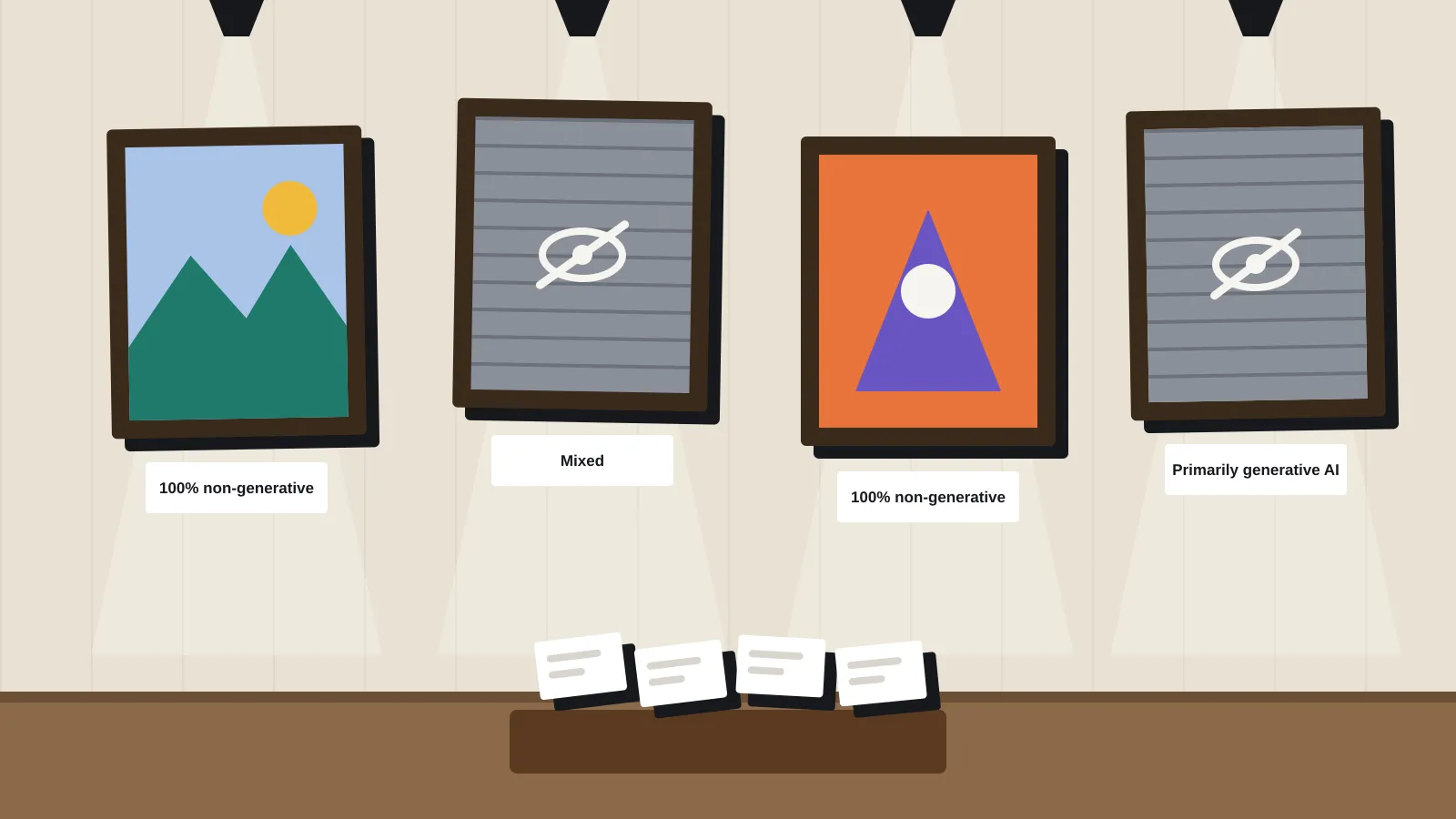
New projects must declare any generative AI use, and declared or reported work is filtered out of feeds unless viewers opt in. Here's how to label game art.
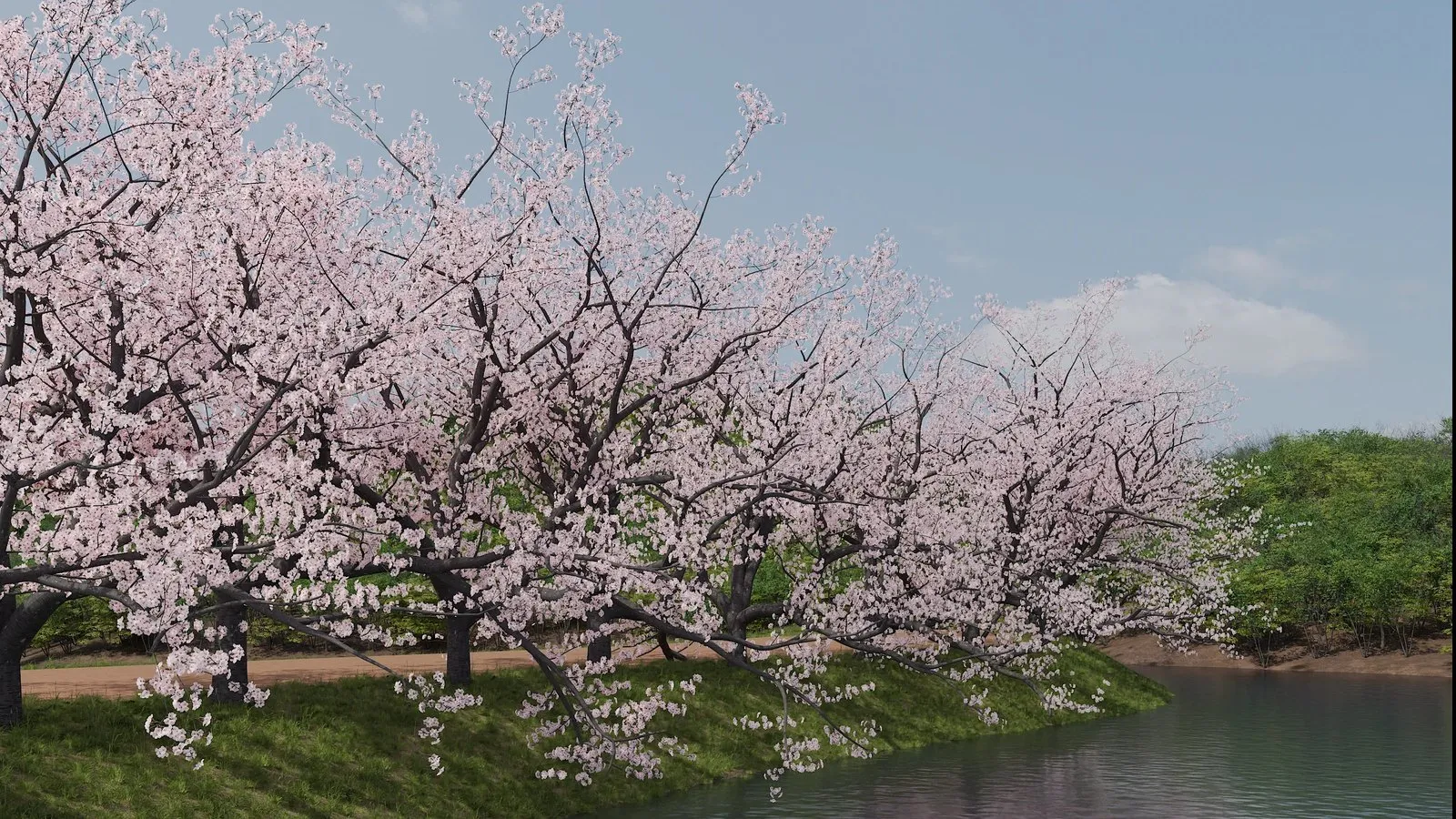
A new US$39 Geometry Nodes add-on grows five Japanese species and lets you use the results in commercial games, but it leaves the game-ready work to you.
Quixel made its 23,000-plus scanned assets free on Fab on 5 November 2026, but the post leaves out which licence applies and how long the price holds.

Epic shut the MetaHuman Creator web app on 5 November, and you have 90 days to pull your characters out before Bridge stops downloading them.
M2ky has folded three cheap hair add-ons into BGEN Hair, a US$14.99 Blender tool that promises game-ready cards. Here is what to check first.
Sparseal's retopology, UV and baking app is now on Windows and macOS, free to try, with a US$90 perpetual indie licence to save and export.
Canva's Affinity app landed on iPad on 2 November, free for individuals and using the same files as desktop. Here's what it can do for indie art.
The free, GPL-licensed add-on splits height from normal, adds adjustment layers and reworks baking. Here's what migrates in old files and when to upgrade.
A free procedural tool and Adobe's paid painter both updated this month, so we priced a two-year solo project across five texturing options.
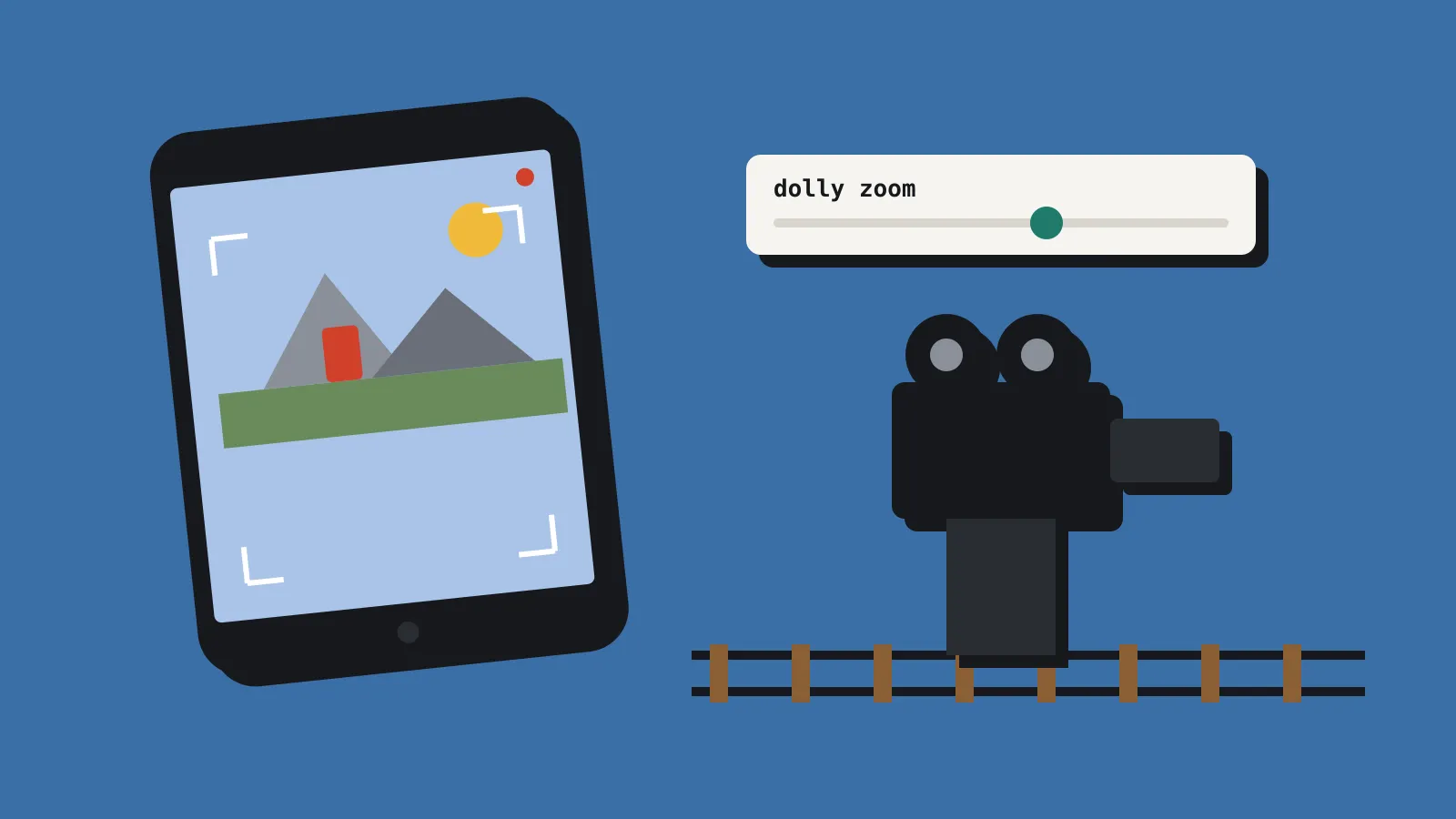
PocketCam turns your phone into a handheld camera for Blender scenes, and Dolly Zoom adds the Vertigo effect for free. Here's what each one costs and needs.
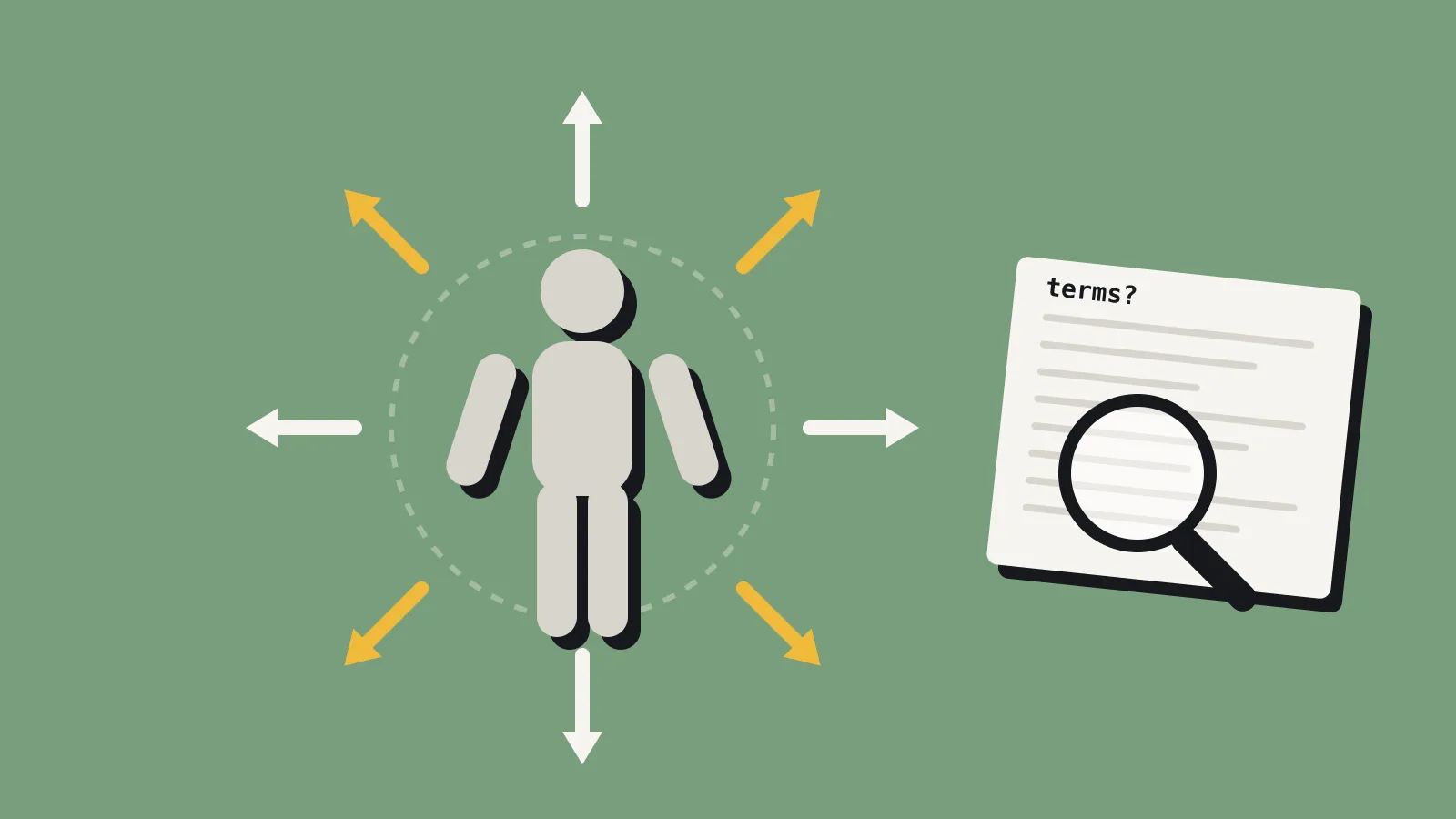
A free browser tool now rigs your characters and builds eight-way walk sets from one clip. The animations are CC0, but the app itself has no terms yet.
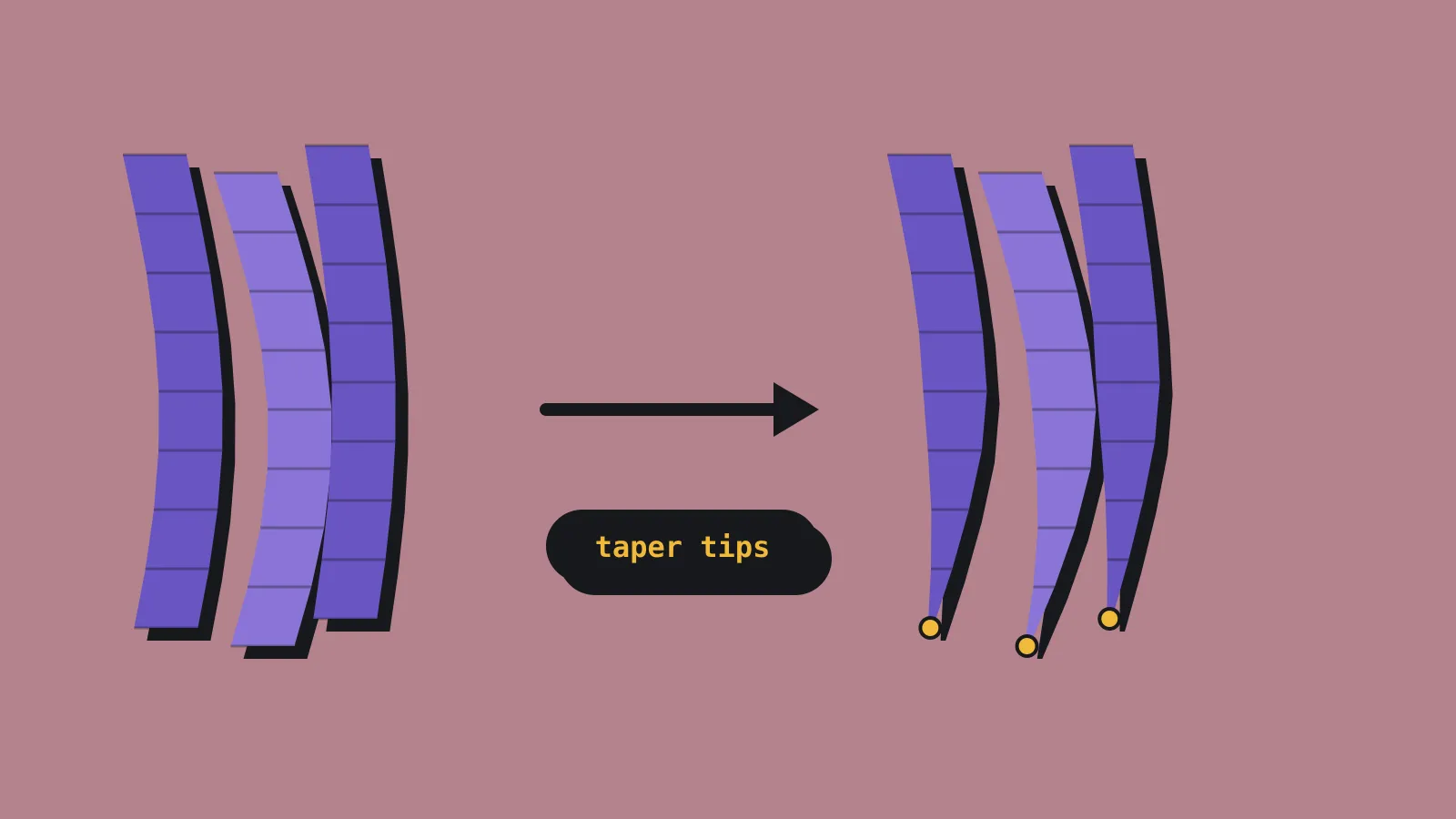
MT Hair Taper, a free 19.2 KB add-on for Blender 4.0 and later, thins grid-style hair meshes toward the tips without changing their length or flow.
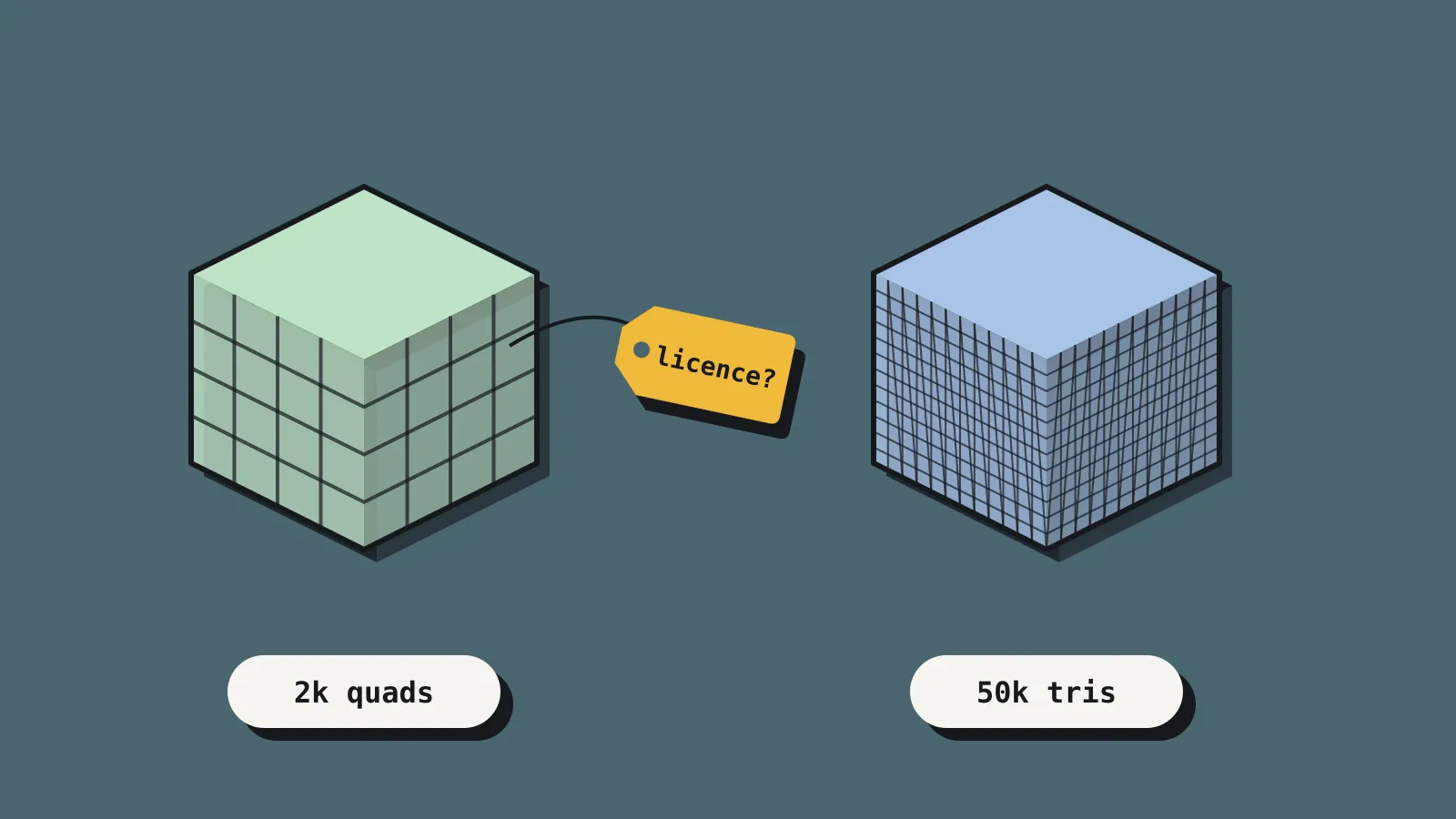
Tripo's P2.0 model now outputs quad or triangle meshes with set polygon budgets and auto UVs, but free-tier files aren't yours to sell.
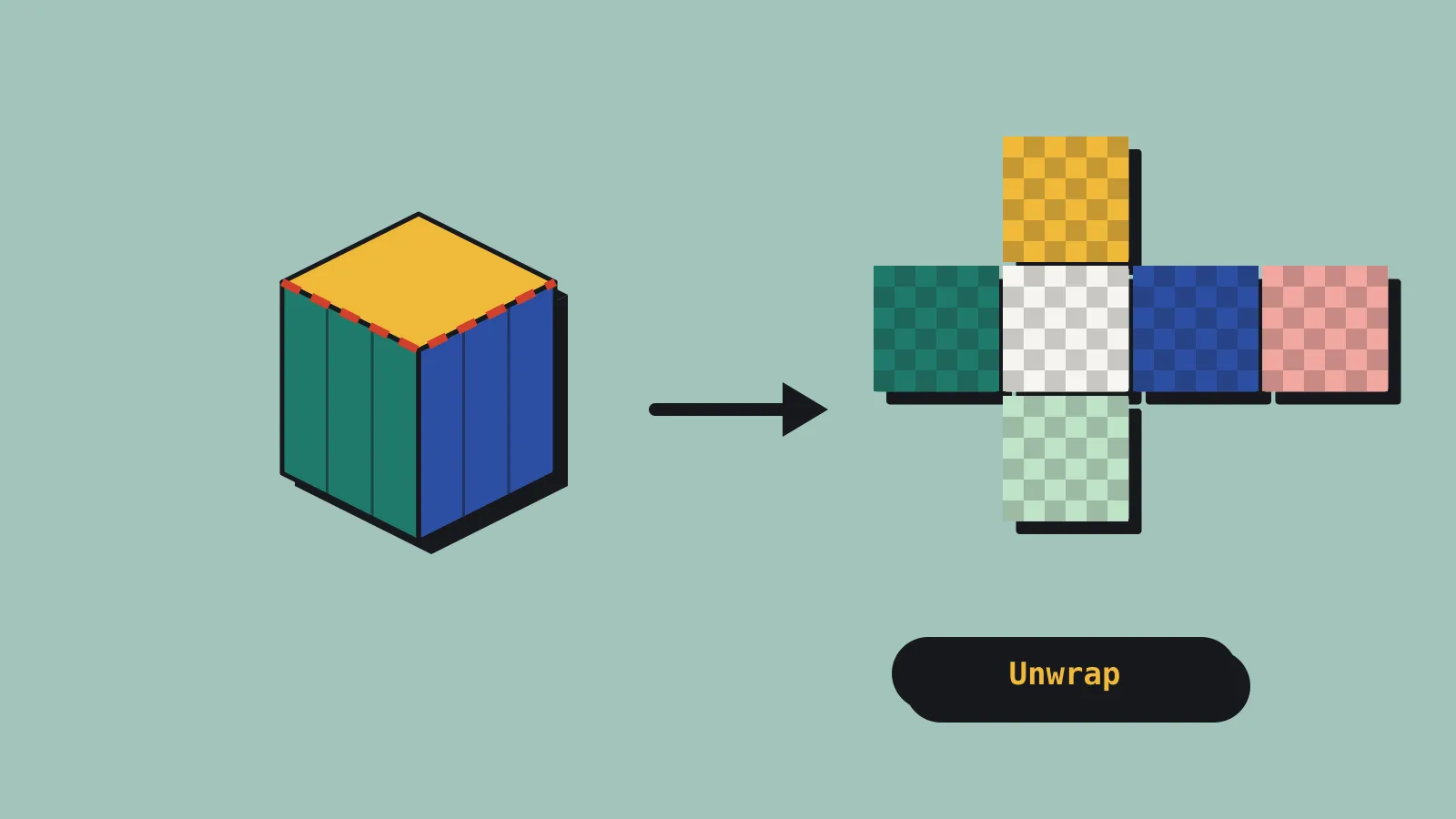
UVgami unwraps 3D models automatically, for free, as a web app, desktop app or Blender add-on. Here's when it saves a solo dev time.
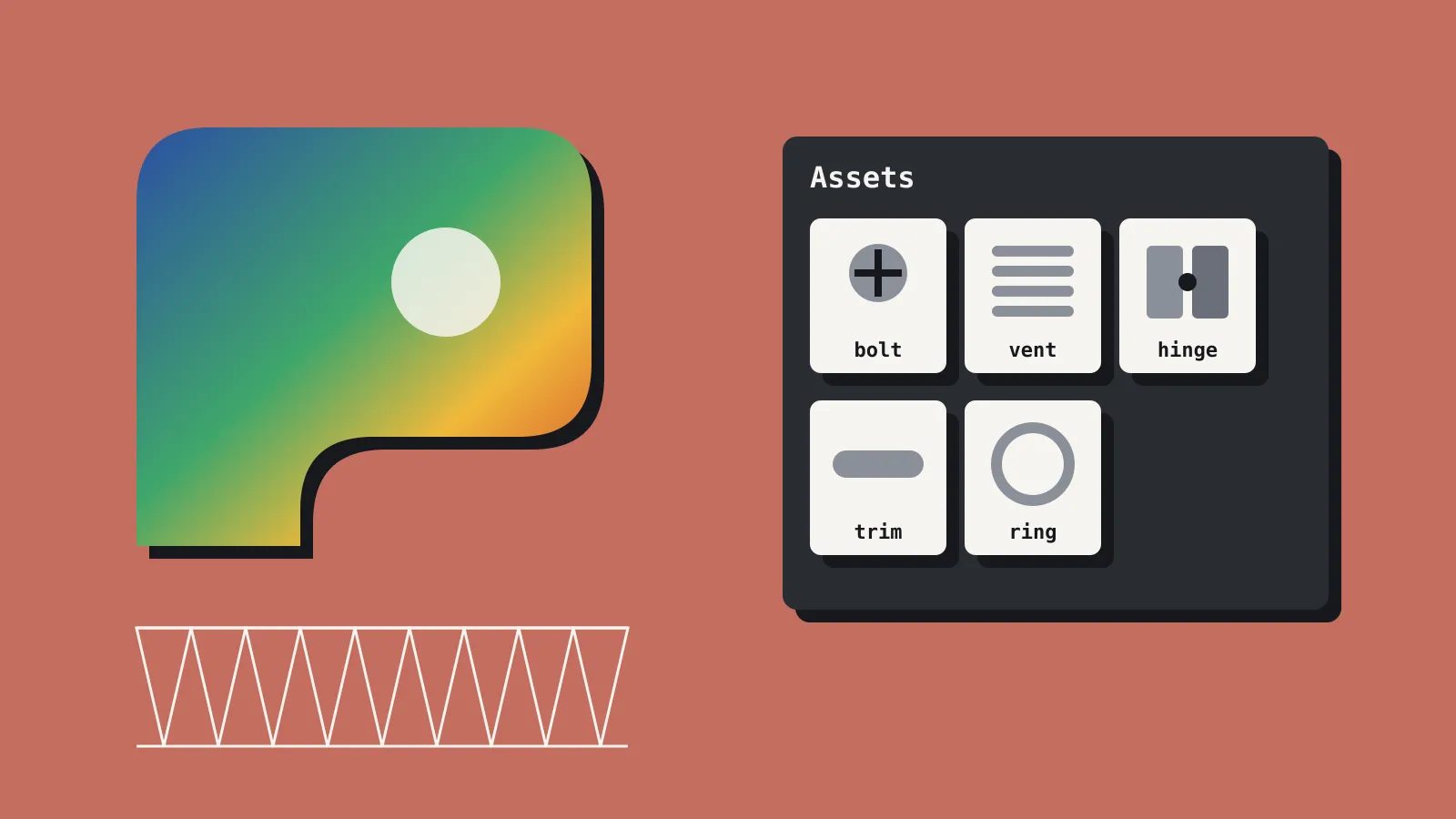
Plasticity 2026.2 adds shareable asset libraries and a curvature shader, but the bigger question for solo devs is whether $175 beats Blender plus add-ons.
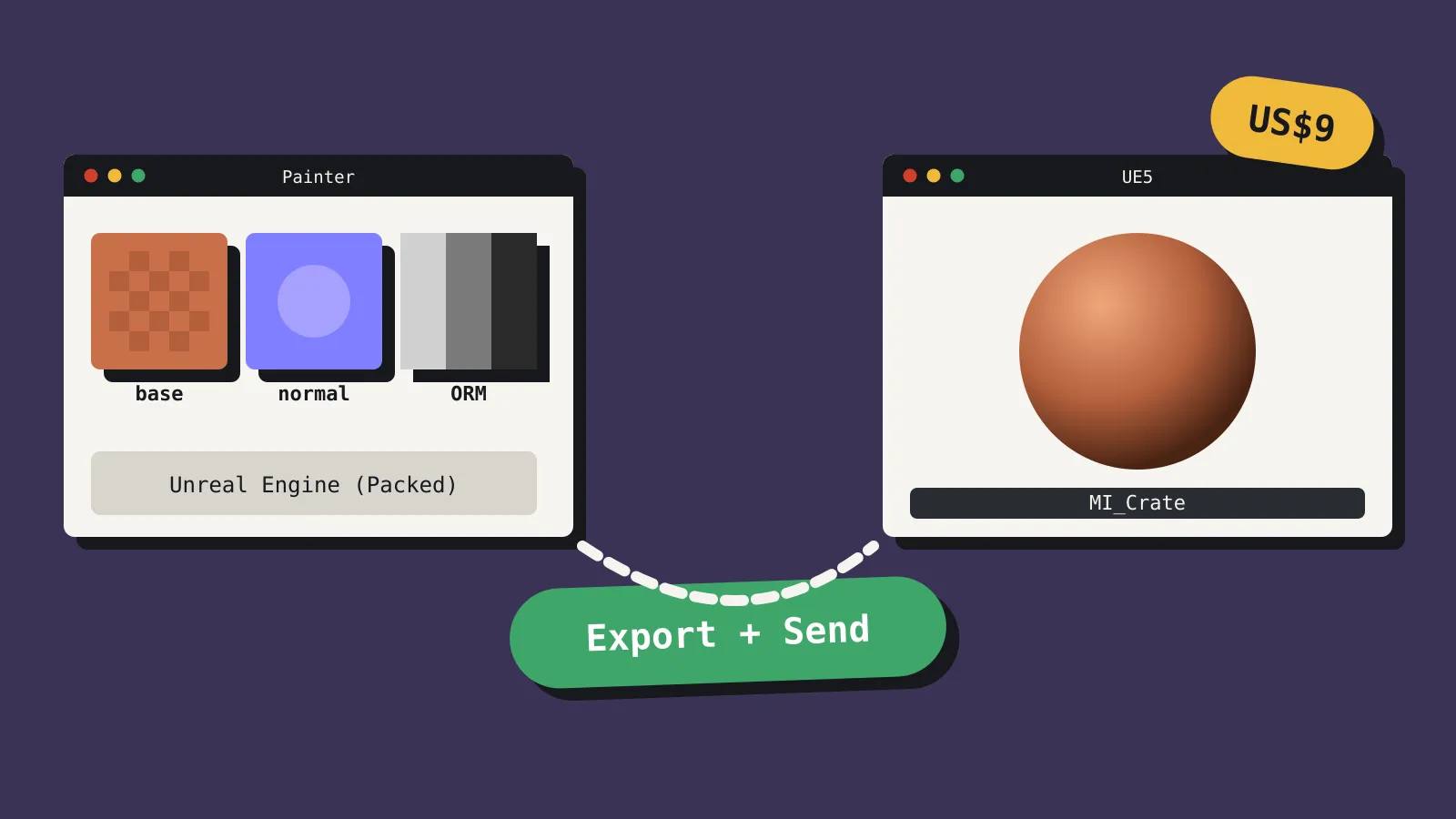
A new Windows tool exports from Substance 3D Painter, fixes Unreal's import settings and builds Material Instances in one click. What it does, what it doesn't, and the free alternatives.
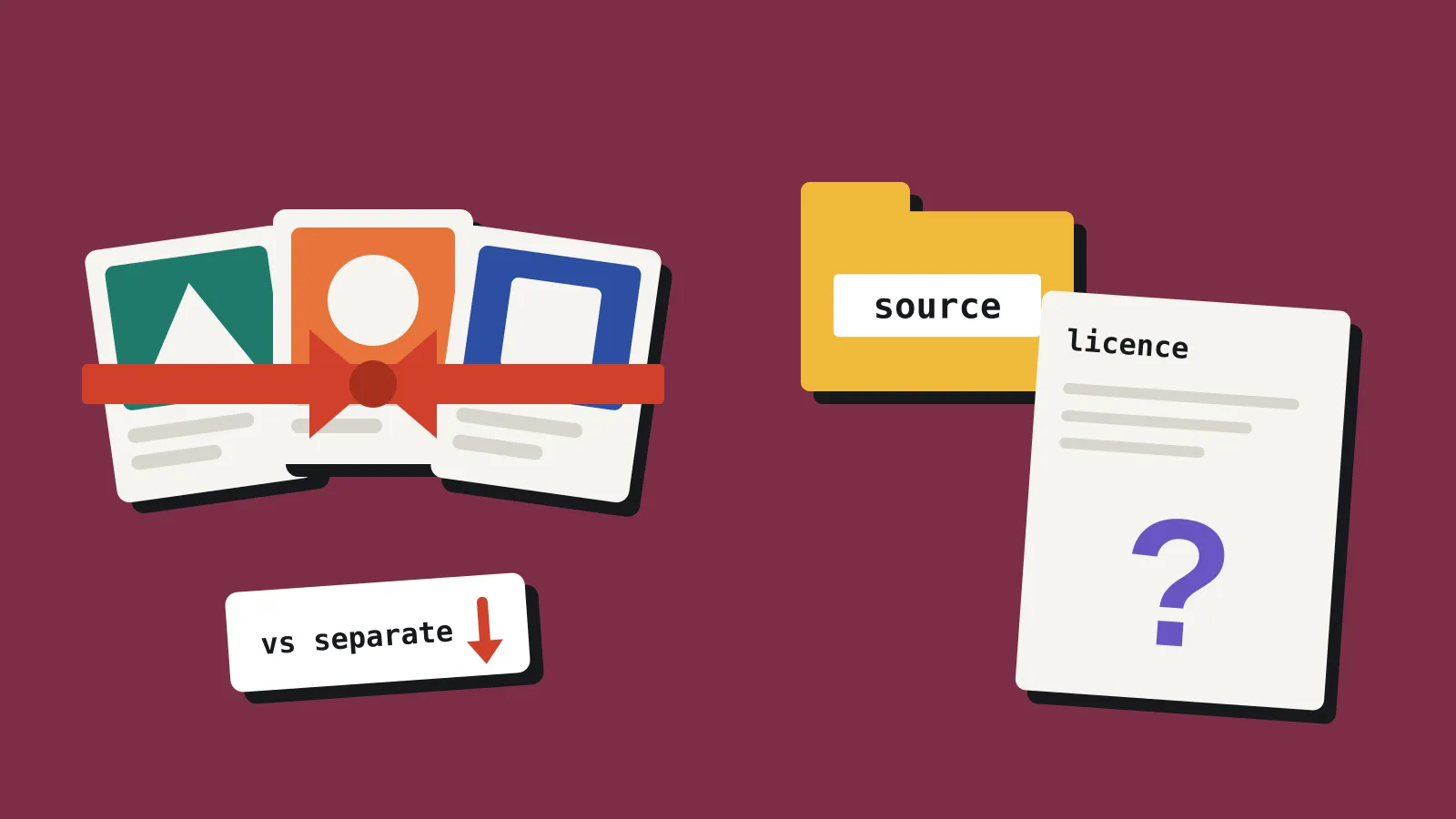
Two changes to Epic's asset store went live on 15 October. How bundles are priced, what UEFN source assets give you, and the catches for buyers and sellers.
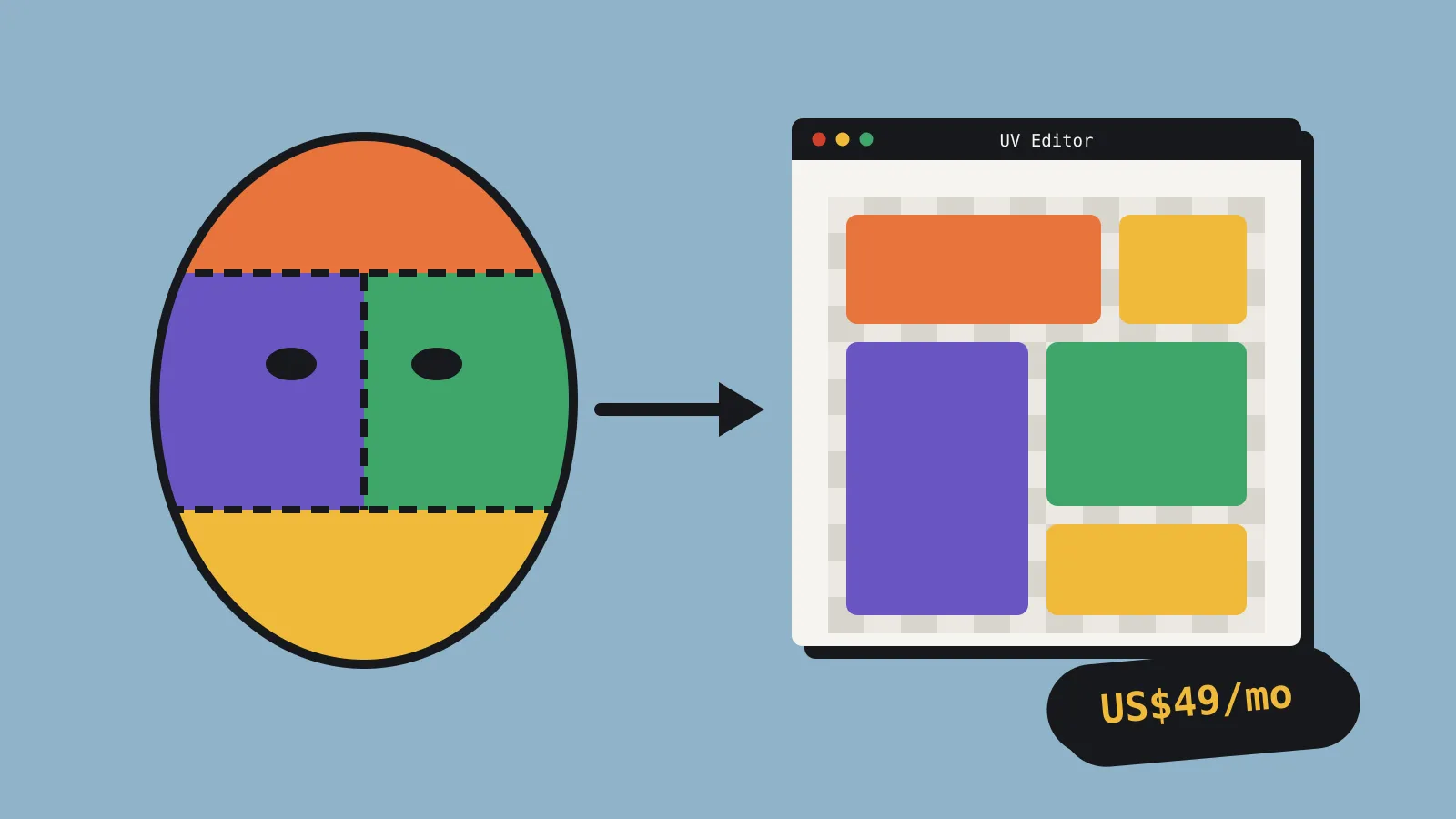
Maxon's new UV Editor brings auto-unwrap, packing, UDIMs and trim sheets into ZBrush. It's desktop and subscription only, and Blender covers most of it free.
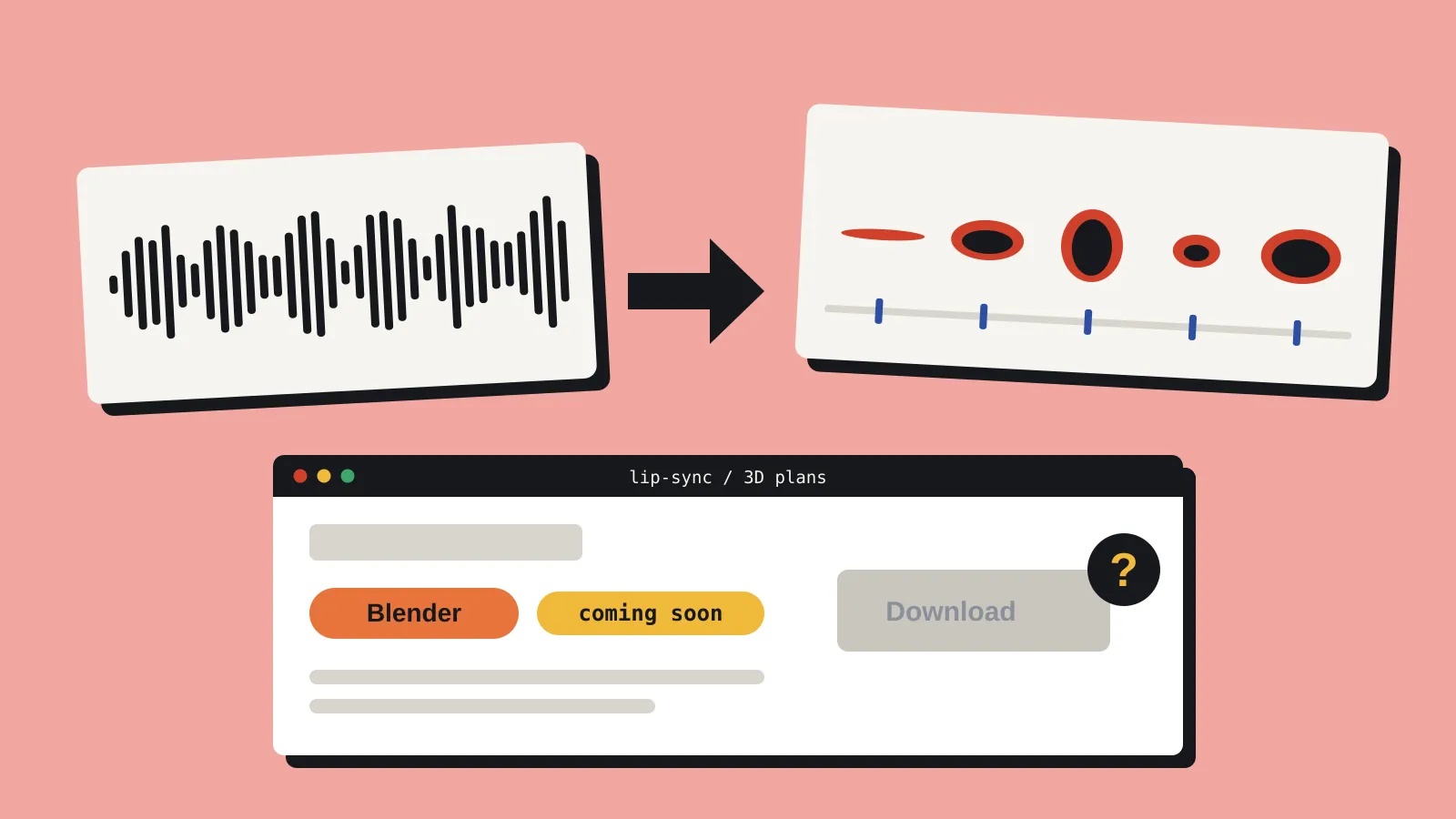
A paid BlenderNation post says UNOMi's AI lip-sync now works in Blender, but its homepage still says soon. What we could confirm, and what to use meanwhile.
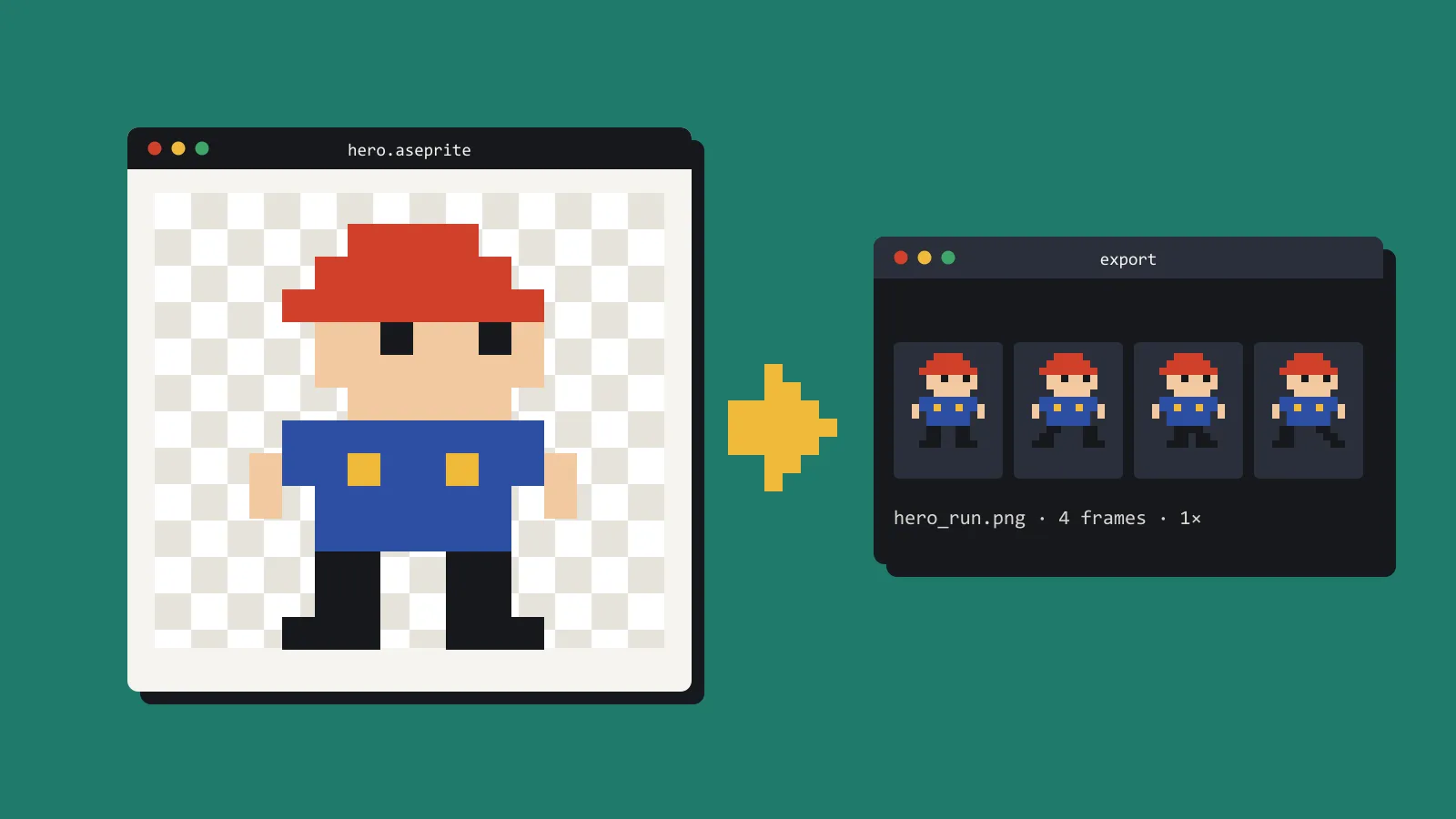
Name the tags, export a size you meant, and give the next frame an obvious folder. The mess starts after the drawing.